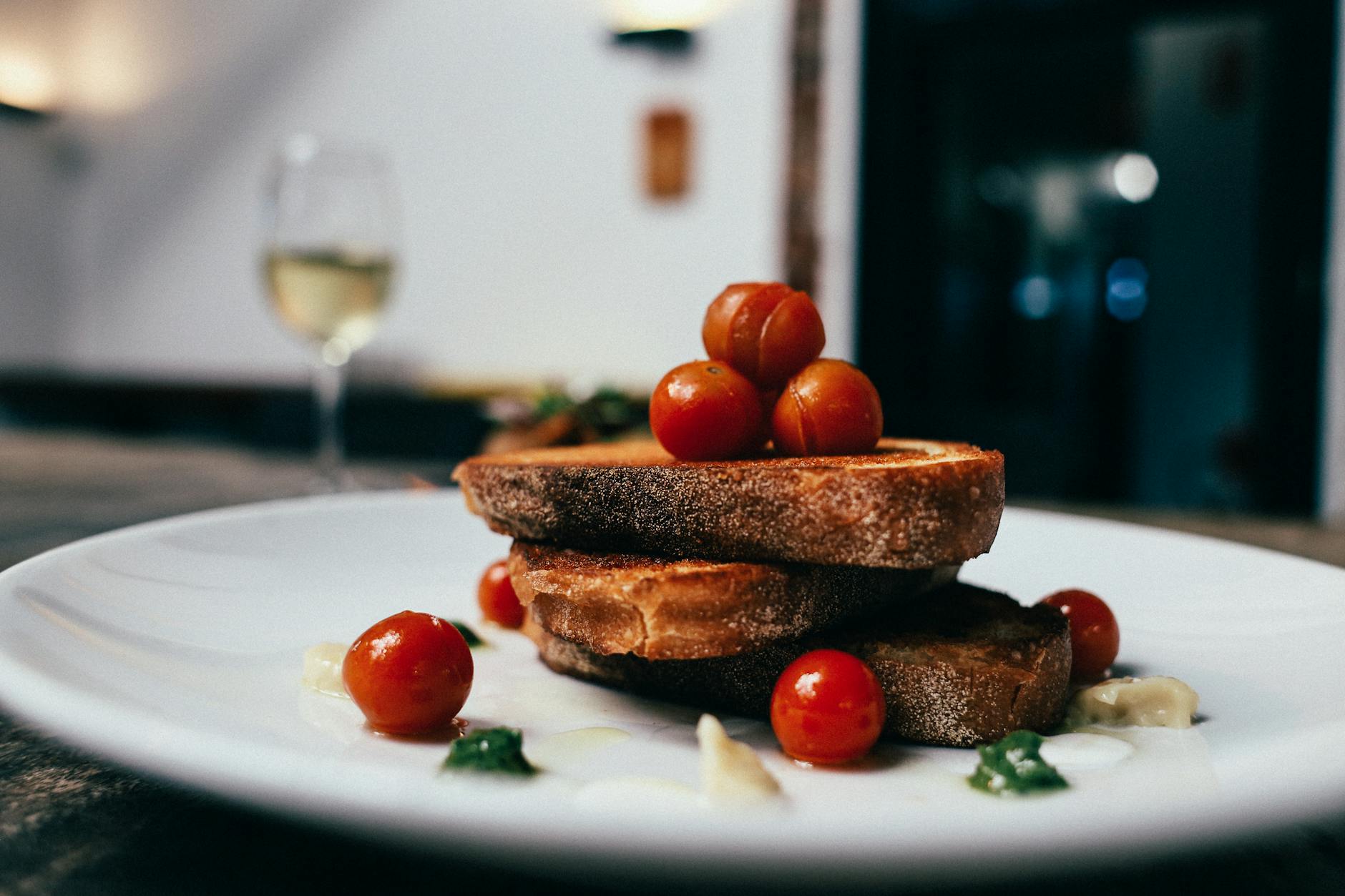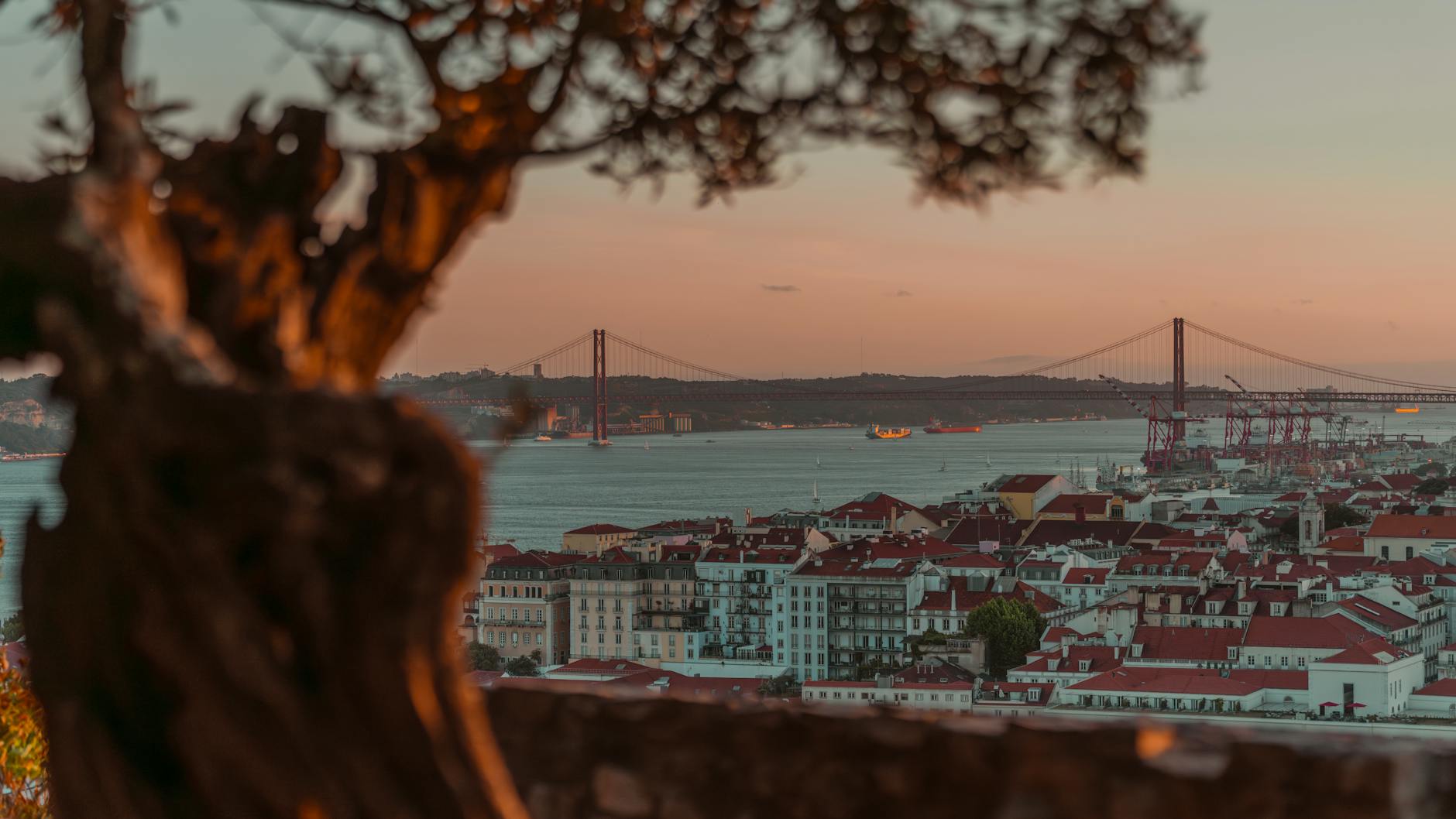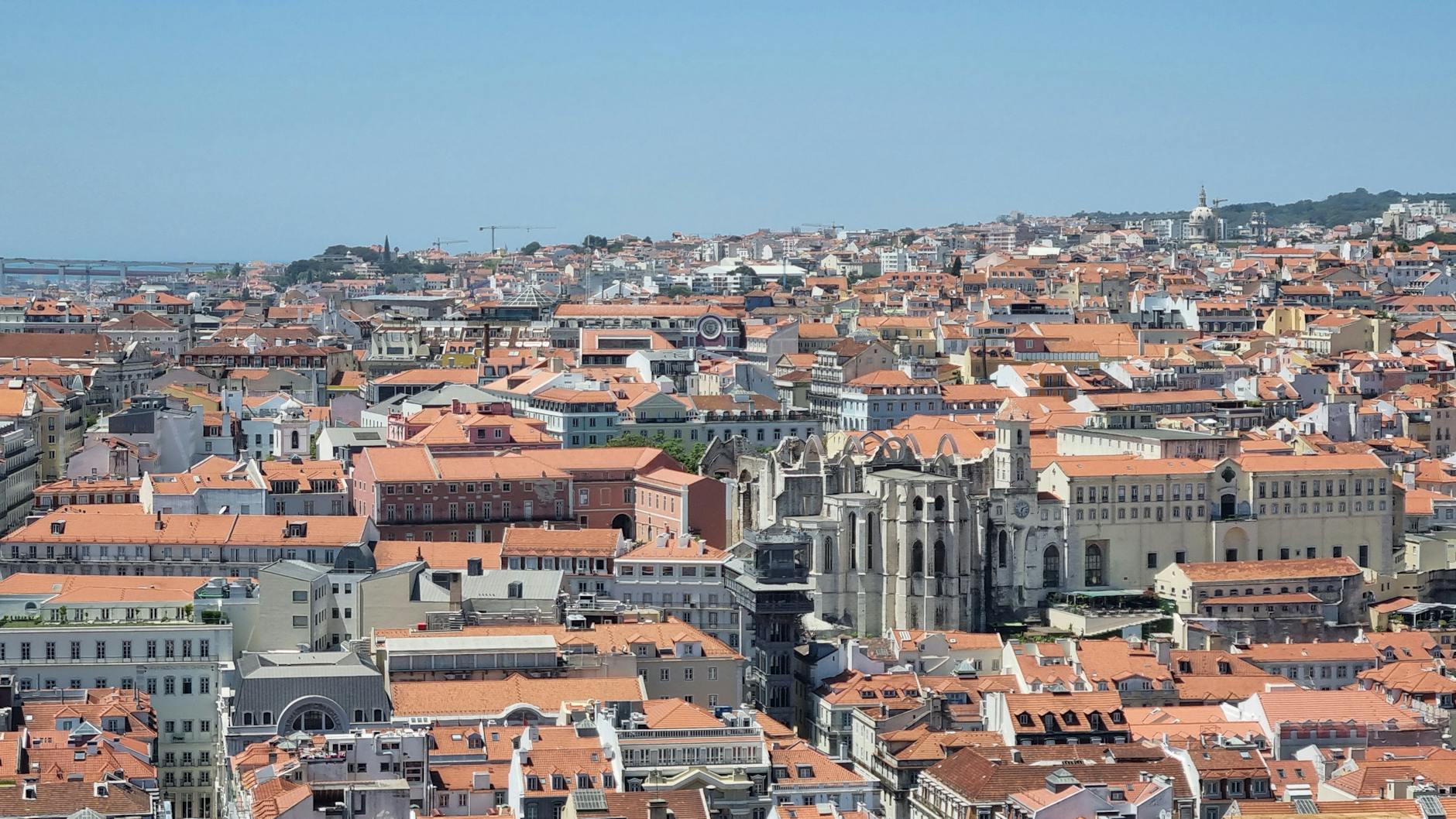
Seven days is the sweet spot. With a one week in Lisbon itinerary, you have enough time to cover every major neighborhood, take three or four day trips, eat properly without rushing, and still find a late afternoon to sit at a miradouro with a glass of vinho verde doing nothing. Less than that and you’re sprinting past everything; more and the days start filling themselves with repetition.
This is a complete day-by-day guide for one week in Lisbon — specific timings, restaurants, practical logistics, and how to pace each day so you don’t arrive home exhausted. It assumes you’re basing yourself in one neighborhood (switching hotels mid-trip wastes at least half a day) and moving around mostly by public transport. Updated for 2026.
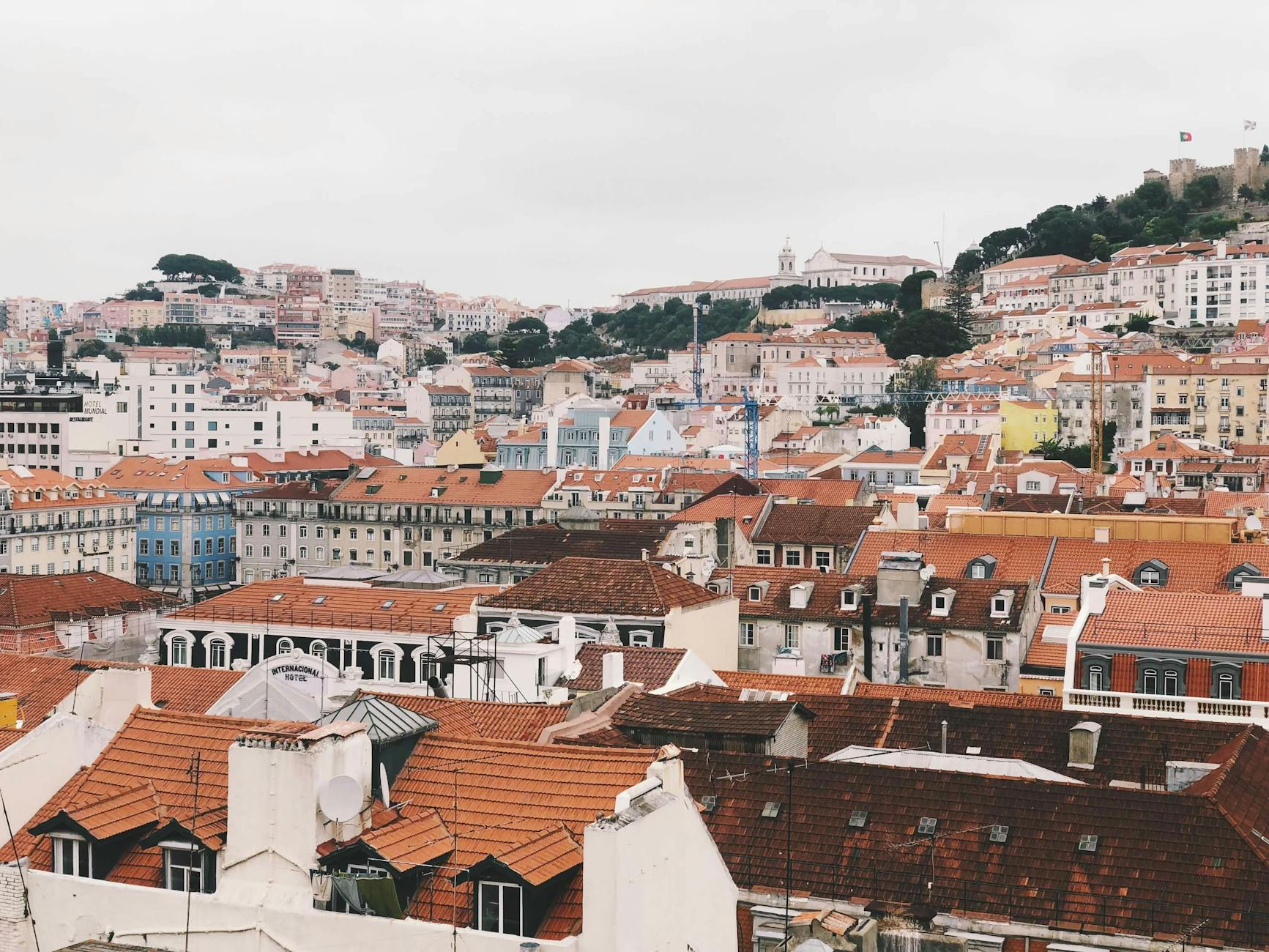
The 7-Day Lisbon Itinerary at a Glance
| Day | Focus | Key stops |
|---|---|---|
| Day 1 | Baixa, Chiado, Bairro Alto | Carmo Convent, Praça do Comércio, Miradouro São Pedro de Alcântara |
| Day 2 | Alfama, São Jorge Castle, fado | Castle, Sé Cathedral, Santa Luzia viewpoint, Mesa de Frades |
| Day 3 | Belém monuments and pastéis | Jerónimos, Belém Tower, MAAT, LX Factory |
| Day 4 | Day trip: Sintra | Pena Palace, Quinta da Regaleira, Cabo da Roca |
| Day 5 | Day trip: Cascais & Estoril coast | Boca do Inferno, Guincho beach, Cascais marina |
| Day 6 | Parque das Nações, Príncipe Real | Oceanarium, Gulbenkian Museum, Santa Catarina miradouro |
| Day 7 | Setúbal/Arrábida, Évora, or slow Lisbon | Your call |
For shorter trips, see our 1-day Lisbon guide, 2-day Lisbon guide, and 3-day Lisbon guide. All connect back to this full-week plan and to our Lisbon itinerary pillar.
Before You Go: The Logistics
A few things to sort before you arrive save time during the week itself.
Book Sintra in advance. Pena Palace sells timed entry slots for the palace interior, and they sell out in peak season (May–September). Book at least a week ahead at parquesdesintra.pt. The park (without the palace interior) does not require pre-booking.
Book fado dinner in advance. Mesa de Frades requires reservations weeks ahead in summer. Tasca do Chico takes bookings but is slightly easier to get last-minute.
Get a Viva Viagem card on arrival. Reloadable NFC transport card that works on metro, tram, bus, and funiculars. Pick one up at any metro station for €0.50. Load it with Lisboa-wide travel credit for the week.
Transport card vs Lisboa Card. The 72-hour Lisboa Card (€54) makes sense if you’re doing 5+ paid attractions in 72 hours — it includes unlimited transit and free/discounted entry to most major sites. Over a full week with day trips, mixed free and paid attractions, and beach days, single tickets typically work out cheaper. Do the maths for your specific itinerary.
Day 1: Baixa, Chiado, Bairro Alto
The classic opening day. These three adjoining neighborhoods are central Lisbon’s core, connected by steep streets, the Santa Justa Elevator, and the Glória Funicular. Don’t over-schedule Day 1 — the point is orientation, getting your feet under you, and ending the evening at a bar in Bairro Alto without feeling like you’ve already run a marathon.
Morning
9:00 AM — Coffee and pastel de nata at Manteigaria in Chiado. The pastry must shatter; the custard should wobble. If there’s a queue, it moves fast.
9:45 AM — Walk Rua Garrett past Bertrand bookshop (the world’s oldest continuously operating bookshop, since 1732) and Café A Brasileira, where a bronze Fernando Pessoa sits at a pavement table, happy to be photographed
10:30 AM — Take the Santa Justa Elevator (€5.30 return) up to the Bairro Alto level, or walk up and enter the Carmo Convent from the Chiado side for €1.80 and skip the elevator queue entirely
11:15 AM — Carmo Convent — Gothic ruins open to the sky since the 1755 earthquake. Deliberately left unrestored as a memorial to the disaster. Unusual and worth 45 minutes.
12:30 PM — Walk down to Praça do Comércio, Lisbon’s grand riverside square
Afternoon
1:00 PM — Lunch at Solar dos Presuntos (traditional, mid-range) or a tasca on Rua Augusta — the pedestrian shopping street running north from Praça do Comércio
3:00 PM — Climb the Rua Augusta Arch for panoramic views over the square and the Tagus. Worth it for the perspective on how the grid of Baixa sits between the hills.
4:00 PM — Walk Rua Augusta up to Rossio; coffee at Café Nicola, the old literary café where 18th-century intellectuals argued about the Enlightenment
5:30 PM — Take the Glória Funicular up to Bairro Alto; sunset at Miradouro de São Pedro de Alcântara. On a clear evening the castle on the opposite hill is directly in front of you.
Evening
7:30 PM — Dinner in Bairro Alto: Tasca da Esquina (modern Portuguese, mid-range, bookings advisable) or O Trevo for simpler bifanas on Praça de Camões
9:30 PM — Bar-hopping in Bairro Alto’s narrow streets. The scene peaks around 11 PM — outdoor drinks in plastic cups, the cobblestones taken over by a flowing crowd. Bars close at 2–3 AM by city ordinance; after that the crowd moves downhill to Cais do Sodré’s Pink Street clubs.
Day 2: Alfama, São Jorge Castle, Mouraria, Fado
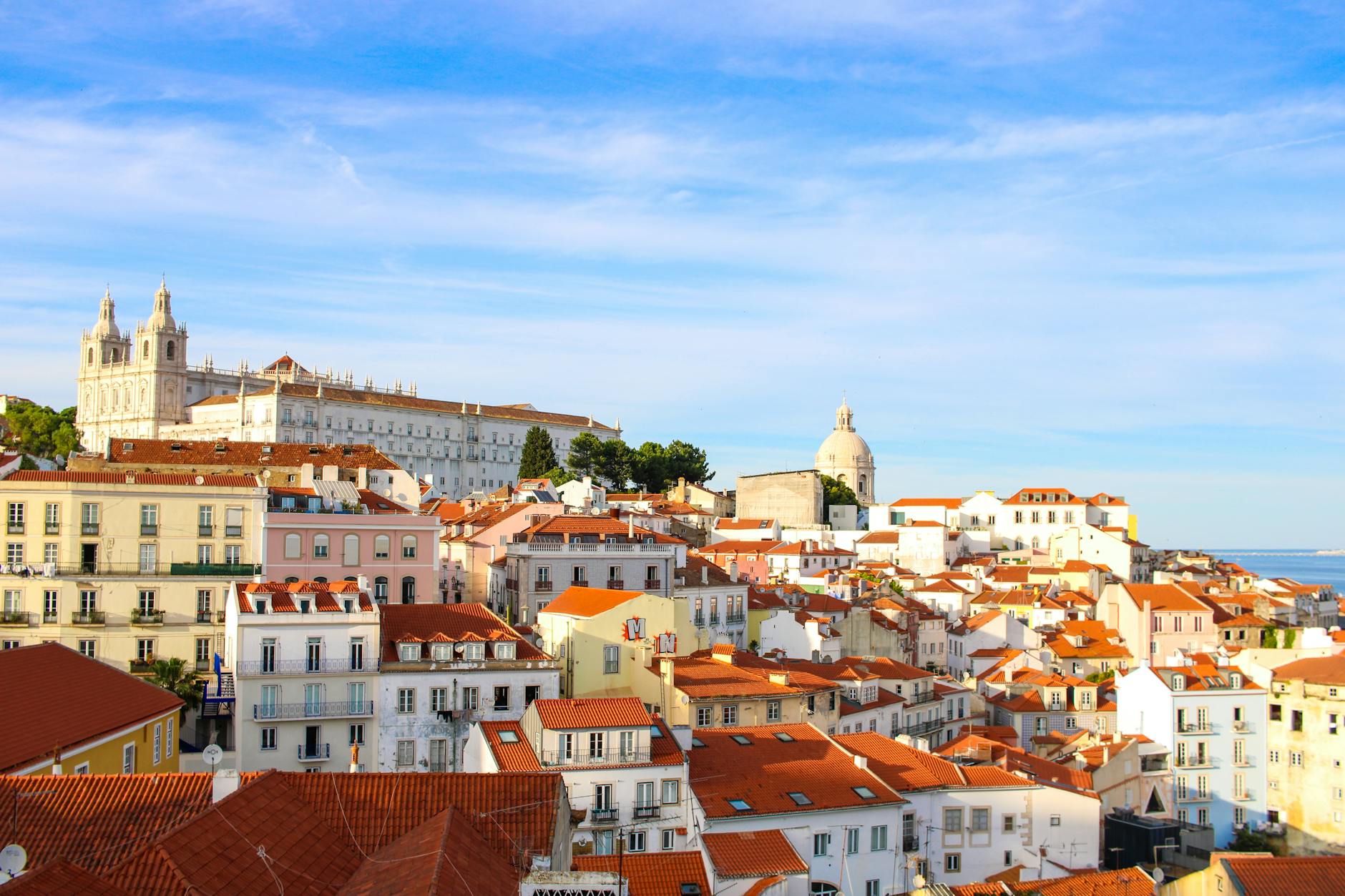
Alfama is the oldest continuously inhabited neighborhood in Lisbon — the Moorish quarter that survived the 1755 earthquake when the lower town was destroyed. The street grid is a medieval maze: steep, narrow, no logic. You will get lost. That’s the right approach.
Morning
9:00 AM — Take Tram 28 from Martim Moniz (or walk uphill) to São Jorge Castle. If you take the tram, keep your bag in front — Tram 28 is the city’s most notorious pickpocket route.
9:30 AM — São Jorge Castle — peacocks wandering the ramparts, 360-degree city views, and the archaeological site inside the main tower revealing layers from Roman through Moorish occupation (€15 adults, book online to skip the queue)
11:30 AM — Walk down through Alfama’s narrow lanes toward the cathedral
12:00 PM — Sé Cathedral, Lisbon’s oldest church (founded 1147). The Romanesque cloister underneath has Roman and Moorish archaeology visible through floor grates (€5 for cloister + archaeology)
Afternoon
1:00 PM — Lunch at Pateo 13 or A Travessa do Fado in Alfama
2:30 PM — Miradouro de Santa Luzia — tiled benches, bougainvillea, Tagus below. One of the best viewpoints in the city, usually quieter than Portas do Sol next door.
3:30 PM — National Tile Museum (Museu Nacional do Azulejo), a short bus or taxi ride east in Beato. Note: currently closed for renovations — check status at visitlisboa.com before going. If closed, substitute Igreja de São Vicente de Fora (€5, 10-min walk from Santa Luzia) — over 100,000 tiles covering an entire former monastery, including a remarkable 38-panel series illustrating La Fontaine’s fables.
5:30 PM — Return to Alfama; explore lanes around Largo do Chafariz de Dentro as the afternoon light hits the tiled facades
Evening
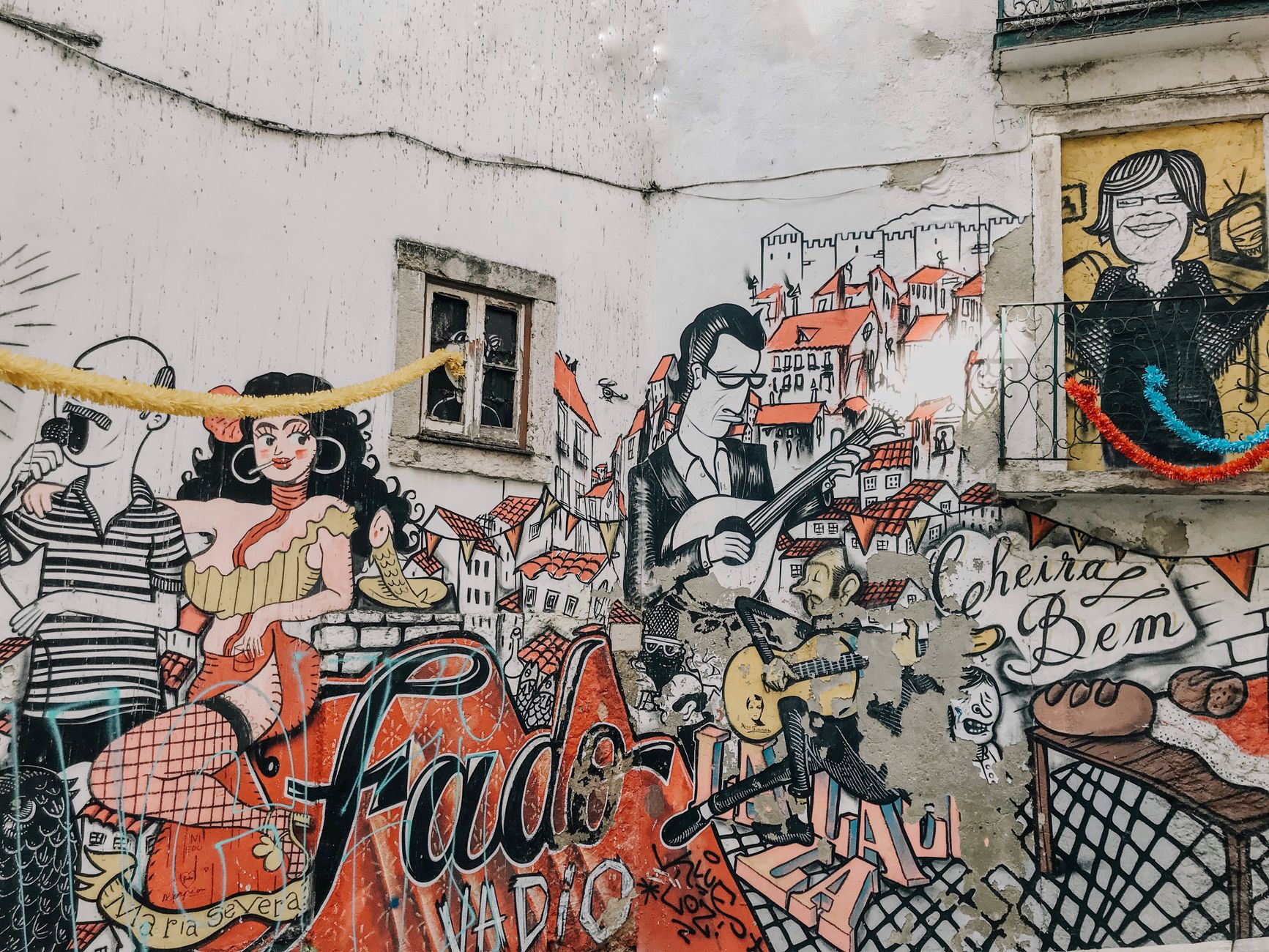
7:30 PM — Pre-fado drinks at Páteo, near Largo do Chafariz
9:00 PM — Fado dinner at Mesa de Frades (intimate, 20-cover restaurant in a former chapel, live fado with dinner, reserve weeks ahead) or Tasca do Chico in Bairro Alto (more casual, €5–€10 cover, slightly easier bookings). See our fado guide for full venue options, prices, and what “authentic” actually means.
Day 3: Belém — Monuments and Pastéis
Belém sits 6 km west of central Lisbon on the Tagus. This is where the great voyages of discovery departed — Vasco da Gama to India in 1497, Magellan’s circumnavigation in 1519. The Manueline architecture built from the profits of those voyages is the most extravagant in Portugal. It’s also where the original pastel de nata recipe has been baked since 1837.

Morning
9:00 AM — Tram 15E from Praça do Comércio to Belém (30 min, buy a ticket on your Viva Viagem card)
9:45 AM — Jerónimos Monastery (€21 adults) — UNESCO World Heritage Site. The cloister is the centrepiece: two stories of carved Manueline stonework with maritime motifs — ropes, coral, armillary spheres — covering every surface. Budget 90 minutes. Buy tickets online at the UNESCO-listed monument or via the official booking system to skip the queue.
11:30 AM — Pastéis de Belém bakery next door — the original 1837 recipe, still made with the custard proportion a carefully kept secret. Eat in (charming tiled interior) or take away and eat on the riverfront wall.
Afternoon
12:30 PM — Lunch at Café de São Bento or at Pastéis de Belém’s restaurant
2:00 PM — Belém Tower (€10), the 16th-century riverside fortress on the Tagus, and Monument to the Discoveries (€4 to ascend, free to walk around) — both within 10 minutes’ walk
3:30 PM — MAAT (Museum of Art, Architecture, Technology) — contemporary art in a curved riverside building, plus free access to the outdoor riverside terrace and permanent collection extension. See our Museums & Culture guide for context.
5:00 PM — Walk east along the river toward Alcântara
6:00 PM — LX Factory, a converted 19th-century industrial complex with independent shops, a vinyl record shop, a good bookshop, coffee bars, and a Sunday market (if your Day 3 is Sunday, this is the best time to visit)
Evening
7:30 PM — Sunset drinks at LX Factory’s rooftop bar or the restaurants along Doca de Santo Amaro overlooking the river
9:00 PM — Dinner at Time Out Market on the way back toward the centre — over 40 chefs and restaurants under one roof, no reservation, something for every appetite and budget
Day 4: Sintra Day Trip
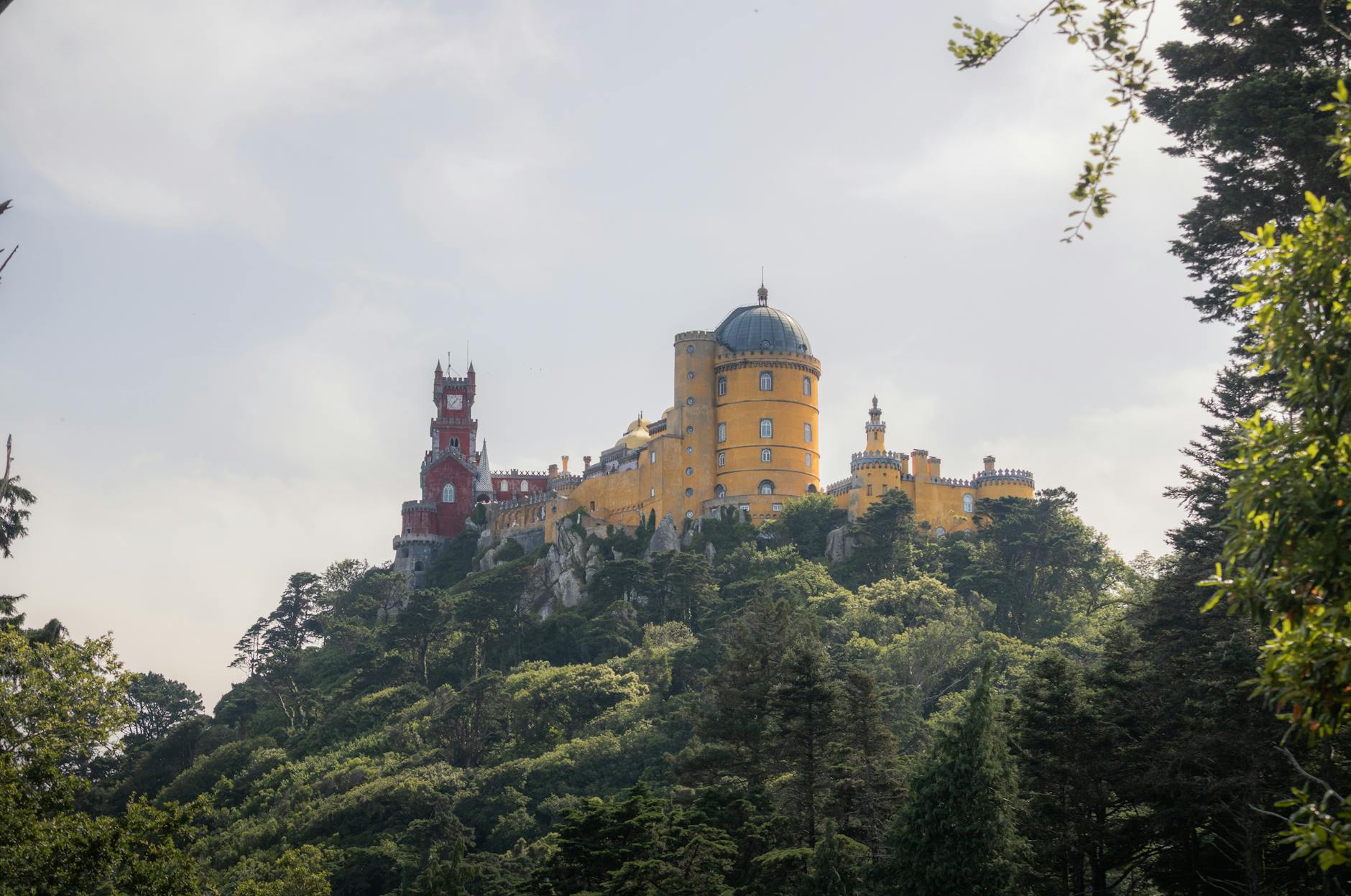
Sintra is a UNESCO-listed cultural landscape 28 km northwest of Lisbon — a forested hill covered in 19th-century Romantic palaces built by Portuguese royalty and European aristocrats competing to outdo each other in decorative extravagance. The train from Rossio takes 40 minutes and runs every 20–30 minutes.
Key logistics: Sintra’s historic centre has limited car access in peak season. Arrive by train and use Bus 434 (a circular hop-on/hop-off route between the station, town centre, Moorish Castle, and Pena Palace) rather than driving.
Full Day Schedule
8:30 AM — Train from Rossio Station to Sintra (40 min, €2.30 each way, trains run frequently). Rossio’s neo-Manueline facade is worth a look while you wait for the train.
9:30 AM — Bus 434 from Sintra station up to Pena Palace (departs outside the station)
10:00 AM — Pena Palace: park and palace ticket €20 adults, €18 youth/senior (verified 2026 prices from parquesdesintra.pt). Palace interior requires a timed slot — book online well in advance in peak season. If the palace interior is sold out, the park alone (€12) is worth it: dense forest, high ramparts, views to the Atlantic on clear days.
1:00 PM — Bus back down to Sintra village; lunch at Café Saudade or Taco Mexicano. Budget €12–€20 per person.
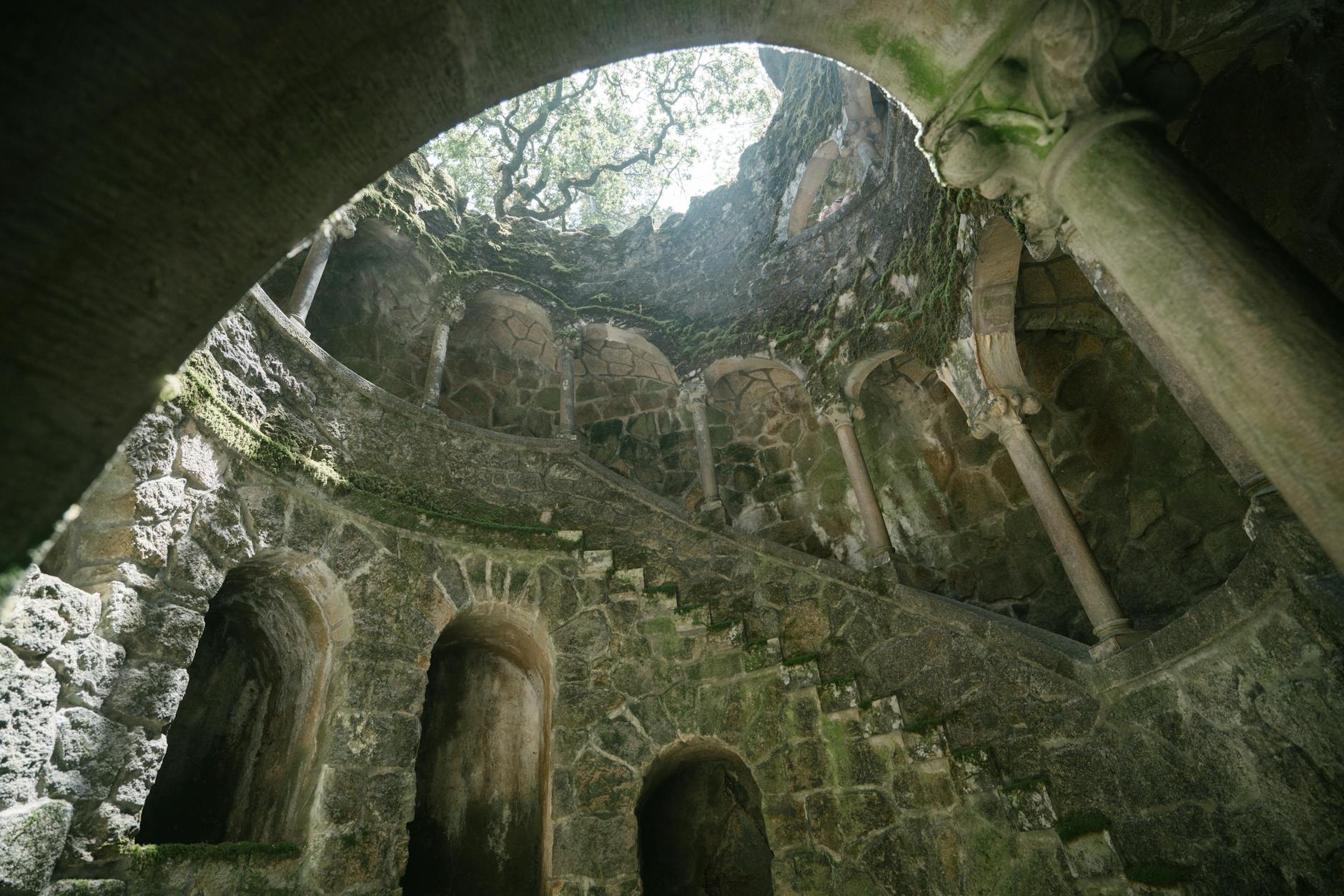
2:30 PM — Quinta da Regaleira (€15) — neo-Manueline palace and gardens built by an eccentric millionaire in the 1900s. The famous Initiation Well is a 27-metre spiral staircase descending into a network of underground tunnels with Masonic and Templar symbolism throughout. Budget 90 minutes.
5:00 PM — Optional: Moorish Castle (€12) for the hilltop rampart walk with views over Sintra and the Tagus plain, or Cabo da Roca — the westernmost point of mainland Europe, 20 minutes by taxi/bus. Dramatic cliffs, Atlantic wind, free to visit.
7:30 PM — Return train to Lisbon
9:00 PM — Light dinner near your accommodation; early night after a long day on foot
See our Sintra day trip guide for crowd-avoidance strategy, the best palace combinations, and what each site actually costs in full.
Day 5: Cascais & Estoril Coast
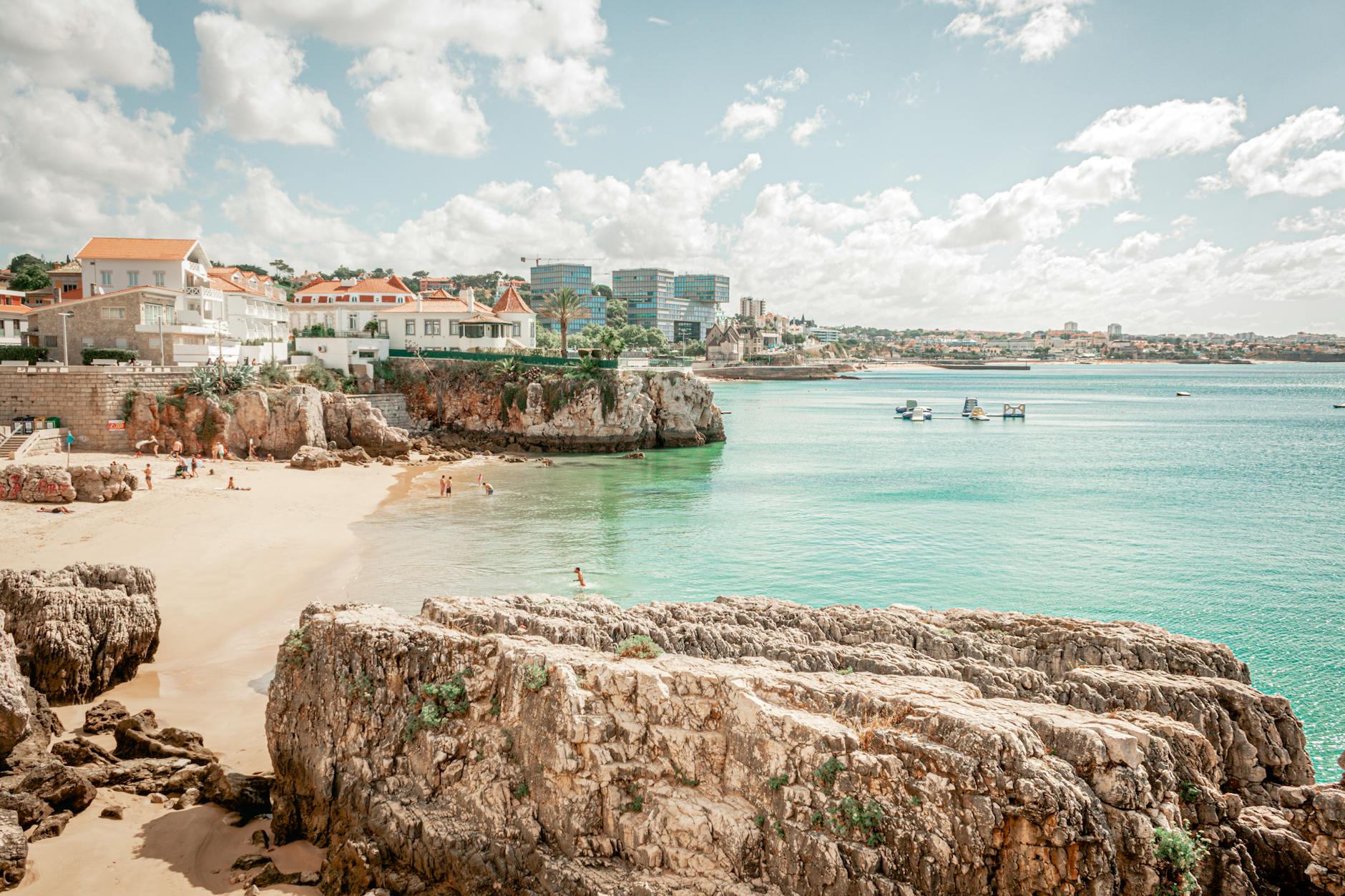
Cascais is a proper town with an old fishing quarter, a working marina, and a seafront that doesn’t feel entirely consumed by tourism. The 40-minute train ride from Cais do Sodré follows the Tagus estuary, then the open Atlantic coast — one of the better commuter journeys in Europe. From Cascais westward, the coast turns genuinely wild.
Morning
9:30 AM — Train from Cais do Sodré to Cascais (40 min, €2.30, trains every 20 min). Sit on the right side for the coastal views as you approach Cascais.
10:30 AM — Walk Cascais’s old town: Largo Camões, the 17th-century citadel, the covered market (best in the morning)
11:30 AM — Boca do Inferno — 10-minute walk west of the town centre. A collapsed sea cave where Atlantic waves push through a hole in the cliff with a noise that earned the name “Hell’s Mouth.” Free to visit.
12:30 PM — Lunch at Mar do Inferno on the cliff, or back in the centre at one of the seafront restaurants
Afternoon
2:00 PM — Beach time. Praia da Rainha in the town centre is sheltered and convenient. Praia do Guincho (15 min by taxi or hired bicycle west of Cascais) is bigger, more dramatic, Atlantic-facing, usually windy — good for bodysurfing, hard work for swimming. Choose based on conditions.
4:30 PM — Coffee and walk in Cascais Marina
6:00 PM — Train back to Lisbon. Sit on the left side for sunset views across the Tagus estuary.
Evening
7:30 PM — Dinner in Cais do Sodré on your return — Pensão Amor for cocktails in the ornate former brothel turned bar; SUD Lisboa or A Cevicheria for dinner
10:00 PM — Pink Street (Rua Nova do Carvalho) is right here if you want a late night
Day 6: Parque das Nações & Modern Lisbon
Day 6 is the other Lisbon — the post-1998 Expo district in the east, Avenida da Liberdade’s luxury boulevard, and the quieter sophistication of Príncipe Real. More metro, less hill-climbing. Good if your feet need a partial rest.
Morning
9:30 AM — Metro red line to Oriente. The station itself, designed by Santiago Calatrava, is worth 10 minutes of looking up before you leave it.
10:00 AM — Lisbon Oceanarium (€25 adults) — one of Europe’s best aquaria, organized around a central 5-million-litre tank with open-ocean sharks, rays, and sunfish. See our Oceanarium guide for what to see and when.
12:30 PM — Riverside walk along Parque das Nações waterfront; take the cable car (€6 one way) over the Tagus waterfront strip for the view
Afternoon
1:30 PM — Lunch at Tasca Kome (Japanese-Portuguese fusion, good value) or the food court in Vasco da Gama mall
3:00 PM — Metro to Marquês de Pombal; walk south down Avenida da Liberdade — Lisbon’s tree-lined luxury boulevard, shaded by jacarandas in late spring. Window shopping at its best; also the most efficient way to walk from the modern city toward the historic centre.
4:30 PM — Calouste Gulbenkian Museum (€10–€14) — one of the great private art collections in Europe. Egyptian antiquities, Islamic decorative arts, European Old Masters, Lalique glass, and an Impressionist collection that includes Monet, Renoir, and Degas. Budget 90 minutes minimum. See our Gulbenkian guide.
6:30 PM — Walk or taxi to Príncipe Real — the boutique neighborhood on the hill above Chiado. Browse the Embaixada concept mall in a 19th-century Moorish Revival palace; walk through Jardim do Príncipe Real, where a 150-year-old cedar tree provides shade over a Sunday antiques market
Evening
7:30 PM — Sunset at Miradouro de Santa Catarina (the Adamastor viewpoint) — a local favourite, less touristed than the Alfama viewpoints, with a wine kiosk and sweeping Tagus views
9:00 PM — Dinner at A Cevicheria on Rua Dom Pedro V (Peruvian-influenced, booking essential) or 100 Maneiras on Rua do Teixeira (contemporary tasting menu, one of Lisbon’s most consistent restaurants)
Day 7: Setúbal/Arrábida or Évora — Pick One
The last day is a choice. Both options are excellent; which you pick depends on whether you want coastline or history.
Option A: Setúbal & Arrábida
Turquoise water against white limestone cliffs, dolphin-watching in the Sado estuary, Setúbal’s serious seafood restaurants, and Azeitão Moscatel wine. The beach at Portinho da Arrábida is one of the most beautiful in continental Europe. The catch: no direct public transport to the beaches. You need a rental car, a taxi, or an organized tour from Lisbon. See our Arrábida day trip guide for logistics.
Option B: Évora
A UNESCO-listed medieval city 1.5 hours by train from Oriente (€12–€15 each way). The Capela dos Ossos — walls and ceiling covered in the bones of 5,000 Franciscan monks — is genuinely extraordinary, not ghoulish. Add the Roman temple in the city centre (2nd century AD, remarkably intact), the medieval walls, and the megalithic stones scattered across the surrounding Alentejo plain. Requires an early start (first train around 8 AM) for enough time there.
Option C: Slow Day in Lisbon
Use Day 7 for the things you missed or want to revisit. The morning market at Feira da Ladra (Tuesday and Saturday) in Alfama for vintage tiles and miscellany. A long lunch at somewhere you loved earlier. Last-minute shopping: cork objects at Cork & Co in Chiado, traditional ceramics and tiles at A Vida Portuguesa (multiple locations), rescued vintage tiles at Cortiço & Netos in Anjos, hand-painted tiles at Sant’Anna in Chiado.
Where to Stay for 7 Days in Lisbon
Pick one base. Hotels in Lisbon are genuinely different by neighborhood — not just in price but in what you can walk to, how noisy they are at night, and which hills you have to deal with every time you leave.
| Neighborhood | Good for | Downside |
|---|---|---|
| Baixa-Chiado | Central location, all transit, flat(ter) | Touristy, can be loud, expensive |
| Príncipe Real | Quiet, sophisticated, walkable to Bairro Alto | Some hills, fewer budget options |
| Avenida da Liberdade | Luxury hotels, metro to everything | Less character, farther from Alfama |
| Alfama | Atmosphere, fado venues nearby | Steep, noisy on weekends, fewer hotels |
| Cais do Sodré | Close to Cascais/Belém train lines | Party noise, Pink Street nearby |
See our best hotels in Lisbon and our where to stay guide for specific recommendations and price ranges by neighborhood.
Getting Around Lisbon for a Week
The public transport network covers everything on this itinerary except Arrábida (Option A on Day 7). Day trips to Sintra, Cascais, and Évora all use CP train services bookable at any station or via the CP website.
Within Lisbon:
- Metro — four lines, covers most of the city. €1.90 per journey on Viva Viagem card. Fast and reliable.
- Trams (Carris) — Tram 15E to Belém, Tram 28 for the Alfama experience. Check current routes at carris.pt.
- Funiculars — Glória (up to Bairro Alto), Bica (down to Cais do Sodré), Lavra (Mouraria). €3.90 each, worth it once for novelty.
- Uber/Bolt — consistently cheap (€5–€12 for most cross-city trips) and avoids the hills entirely. Use freely.
Budget for 7 Days in Lisbon
| Item | 7-day cost (per person) | Notes |
|---|---|---|
| Accommodation (mid-range) | €700–€1,200 | €100–€170/night; lower off-season |
| Food | €280–€420 | €40–€60/day; tascas cheaper than tourist restaurants |
| Transit | €50–€80 | Includes day trip trains |
| Attractions | €140–€220 | Pena, Jerónimos, Castle, Oceanarium, Gulbenkian |
| Day trips | €80–€200 | More for Arrábida tours; Évora train is budget |
| Total | €1,250–€2,200 | Budget travelers can do €800; luxury adds easily |
See our Lisbon trip cost guide for a complete breakdown by travel style.
Packing Essentials
- Proper walking shoes — not sandals, not new trainers. Alfama and Graça will destroy your feet otherwise. The cobblestones are uneven, the hills are steep.
- Layers — Lisbon mornings and evenings can be cool even in summer; afternoons get genuinely hot. Atlantic wind is a factor near the coast.
- Light rain jacket — especially October–April. Lisbon rain tends to be intense and brief.
- Sun protection — UV is stronger than people expect from Portugal.
- Reusable water bottle — tap water is safe and the city has drinking fountains.
- Type F plug adapter — standard European two-pin.
FAQ: One Week in Lisbon
Is one week too long for Lisbon?
No. With 4 days in the city and 3 day trips, you’ll cover Lisbon properly without rushing. The surrounding region — Sintra, Cascais, Arrábida, Évora — adds a full week more if you wanted it. A week is the minimum to do the city and its context justice.
Should I do Lisbon and Porto in one week?
Possible but tight. Porto is 3 hours by intercity train. We’d recommend at least 9–10 days for both cities done properly, with a day trip from each. A week split 4–3 between cities means you’re rushing both.
What’s the best day trip from Lisbon?
Sintra is the essential one — UNESCO listed, architecturally extraordinary, easy train. Cascais is the easy beach day. Arrábida is the best beach but harder to reach. Évora is for people who want history rather than coastline. If you only do one day trip, do Sintra.
How much should I budget for 7 days in Lisbon?
€800–€2,200 per person. Budget travelers sharing affordable accommodation and eating at tascas can do the lower end; mid-range with boutique hotels and decent restaurants is €1,400–€1,700; premium adds from there quickly.
Is Lisbon walkable?
Yes — central Lisbon is very walkable, and walking is often the fastest way between points. The hills are steep and the cobblestones uneven. Trams, funiculars, and Uber eliminate the worst climbs. A week of Lisbon walking is equivalent to a week of hiking; plan accordingly.
What if it rains during my Lisbon week?
Switch to museum days. The Gulbenkian, MAAT, Oceanarium, and (when it reopens) National Tile Museum are all excellent full-day options in any weather. LX Factory on a Sunday works indoors. The covered Mercado da Ribeira is always an option. Lisbon rain is usually finite; afternoon sun often follows morning showers.
What’s the biggest mistake first-time visitors make?
Over-scheduling. Lisbon rewards lingering — a long lunch that becomes a conversation, a miradouro at dusk that wasn’t on the plan, wandering an Alfama street to see where it goes. Build deliberate gaps into the itinerary. They will fill themselves in ways a spreadsheet can’t predict.
Bottom Line
One week in Lisbon is exactly the right amount of time. You’ll see every major neighborhood without running through any of them, take three excellent day trips, eat well across a range of price points, hear fado in a proper venue, watch the sun go down from half a dozen different hills, and still have space to actually enjoy the city. Pick one accommodation base, book Sintra and fado in advance, wear good shoes, and resist the urge to plan every hour. Lisbon works best when you let it.
Continue with our Itinerary pillar, our 1-day Lisbon, our 2-day Lisbon, and our 3-day Lisbon.