Where to stay in Lisbon shapes the whole trip. The city spreads across seven hills above the Tagus — a patchwork of neighborhoods with genuinely different personalities, price points, and practical trade-offs. A boutique hotel in Príncipe Real is nothing like a backpacker hostel in Bairro Alto. Alfama feels nothing like Parque das Nações. This guide works through nine neighborhoods, names specific hotels at every price level, and covers the practical details most guides skip. All prices and transport information updated for 2026.
Nine neighborhoods, pros and cons of each, specific picks at every budget, and local tips. For further orientation on what the city offers, see our comprehensive Lisbon travel guide.
How to Choose Where to Stay in Lisbon
Before getting into specific neighborhoods, it helps to understand the layout. Lisbon stretches along the north bank of the Tagus, with the historic center built across famously steep hills. Most tourist activity sits within a compact area — you can walk from Belém in the west to Alfama in the east in about 90 minutes along the waterfront. A few things that actually matter when picking where to stay in Lisbon:
Proximity to sights: Baixa, Chiado, and Alfama put you within walking distance of the city’s top attractions. Belém is farther west but right next to the monastery and tower. For what’s worth seeing, check our guide to things to do in Lisbon.
Hills and mobility: Lisbon is hilly. If stairs are a concern, Baixa is the flattest neighborhood. Alfama and Bairro Alto involve serious climbing. Funiculars, elevators, and trams help — but be honest about the daily walking demands before you book.
Budget: Accommodation ranges from €20 per night in a hostel dorm to €500+ at a five-star palace hotel. Neighborhoods like Saldanha, Estrela, and Campo de Ourique offer noticeably better value than Baixa or Chiado for the same quality level.
Atmosphere: Nightlife? Bairro Alto. Historic depth? Alfama. Local and trendy? Príncipe Real. Family-friendly with space to breathe? Parque das Nações. Food-obsessed and convenient? Cais do Sodré.
Length of stay: One or two nights — stay central in Baixa or Chiado. A week or more — Príncipe Real, Estrela, or a neighborhood apartment lets you settle in properly, use a kitchen, and move at a slower pace.
Baixa and Rossio — Best for First-Time Visitors
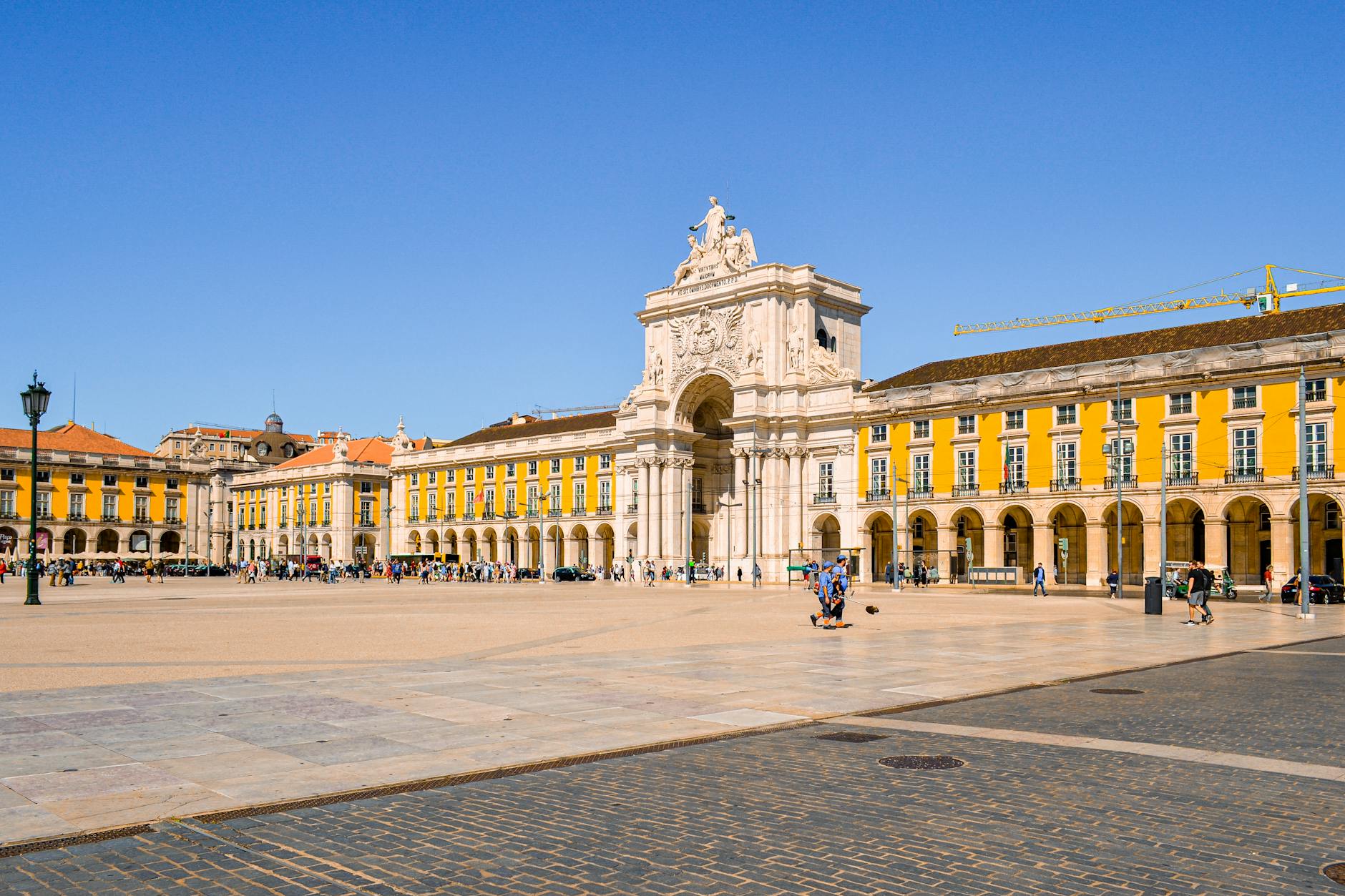
Baixa is Lisbon’s most practical neighborhood for first-time visitors. Rebuilt on a rational grid after the 1755 earthquake by the Marquis de Pombal, this downtown district is one of the flattest parts of the city. The grand Praça do Comércio anchors the southern end on the riverfront; Rossio Square and Praça da Figueira draw the afternoon crowds to the north.
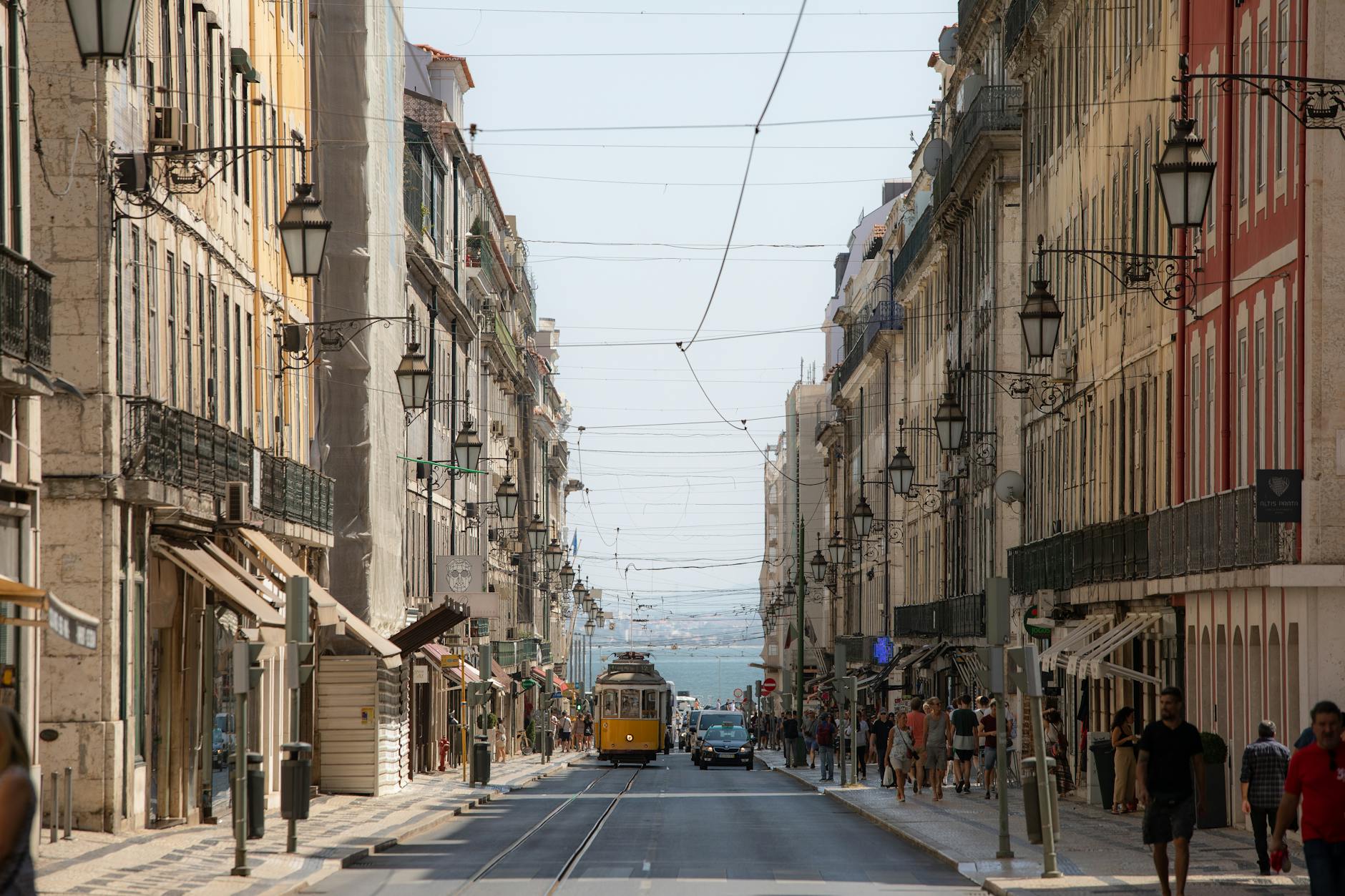
Staying here puts you 15 minutes on foot from Alfama, Chiado, and the Santa Justa Elevator. Metro coverage is excellent — Baixa-Chiado, Rossio, and Terreiro do Paço stations are all here — which makes it easy to reach the airport, Belém, and the train stations for day trips to Sintra and Cascais. The Rua Augusta pedestrian street runs the length of the neighborhood. Accommodation ranges from well-run hostels (Yes! Lisbon Hostel, We Love F Tourists) to heritage hotels in restored Pombaline buildings (Pestana Rua Augusta, Browns Boutique Hotel).
Best for: First-time visitors, older travelers, anyone wanting flat terrain and central access. Budget range: €25–€40 (hostels), €80–€150 (mid-range), €150–€300 (boutique/luxury). Drawbacks: Tourist-heavy, especially in summer; limited nightlife compared to Bairro Alto; chain restaurants crowd out authentic tascas on the most central streets.
Chiado — Best Overall Neighborhood
If you only have a few nights and want the best combination of culture, dining, and location, Chiado is our top recommendation for where to stay in Lisbon. It sits on the high ground between Baixa and Bairro Alto — Lisbon’s intellectual and cultural center since the 18th century. The streets hold bookshops (including Bertrand, the world’s oldest operating bookstore, founded 1732), theaters like the Teatro Nacional de São Carlos, art galleries, and some of the city’s best restaurants, including two-Michelin-starred Alma.
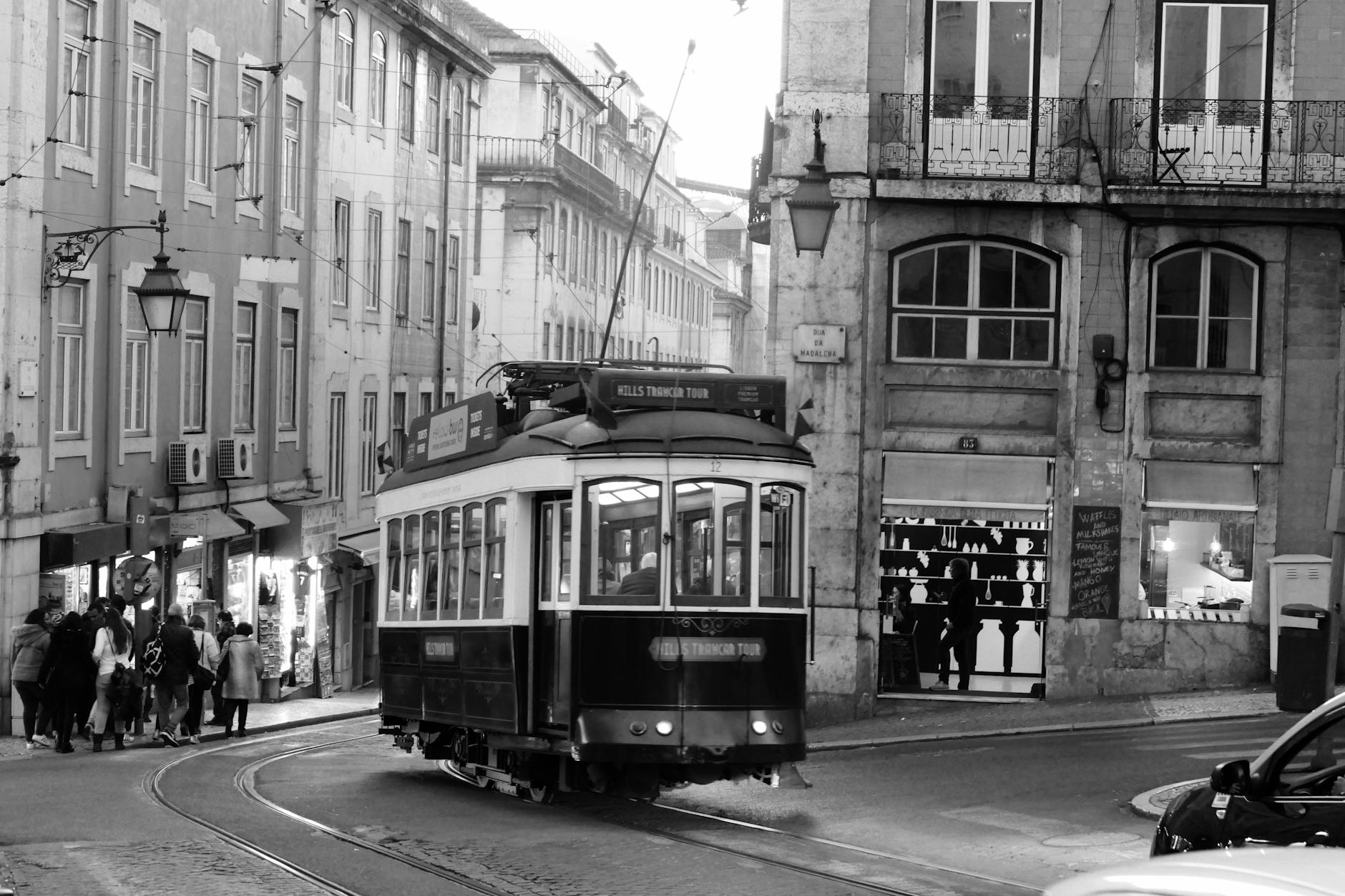
Chiado is the hinge point of central Lisbon. Walk downhill to Baixa in five minutes, uphill to Bairro Alto’s bars in three, or across to Alfama and the castle in fifteen. A Brasileira café — with its bronze statue of poet Fernando Pessoa — is a Chiado landmark. The Carmo Convent, with its hauntingly roofless nave, sits at the top of the Santa Justa Elevator. Hotels here lean toward boutique, occupying 18th- and 19th-century buildings with high ceilings and azulejo tiles. Montebelo Vista Alegre Chiado is design-focused; Le Consulat features in the Michelin Guide.
Best for: Couples, culture lovers, foodies, anyone wanting the best all-round base. Budget range: €100–€180 (mid-range), €180–€350 (boutique), €350+ (luxury). Drawbacks: Few budget options; hilly access from Baixa; popular restaurants book up fast in peak season.
Alfama — Best for Historic Atmosphere
For raw atmosphere, Alfama has no competition. This medieval quarter survived the 1755 earthquake largely intact — its tangle of narrow staircases, covered alleyways, and small courtyards follows a street pattern that’s been there since the 12th century. Laundry hangs from wrought-iron balconies, fado drifts from open doorways, church bells echo off tile-clad walls. São Jorge Castle crowns the hilltop, and the best viewpoints in the city — Miradouro de Santa Luzia, Portas do Sol, Miradouro da Graça — are all right here.
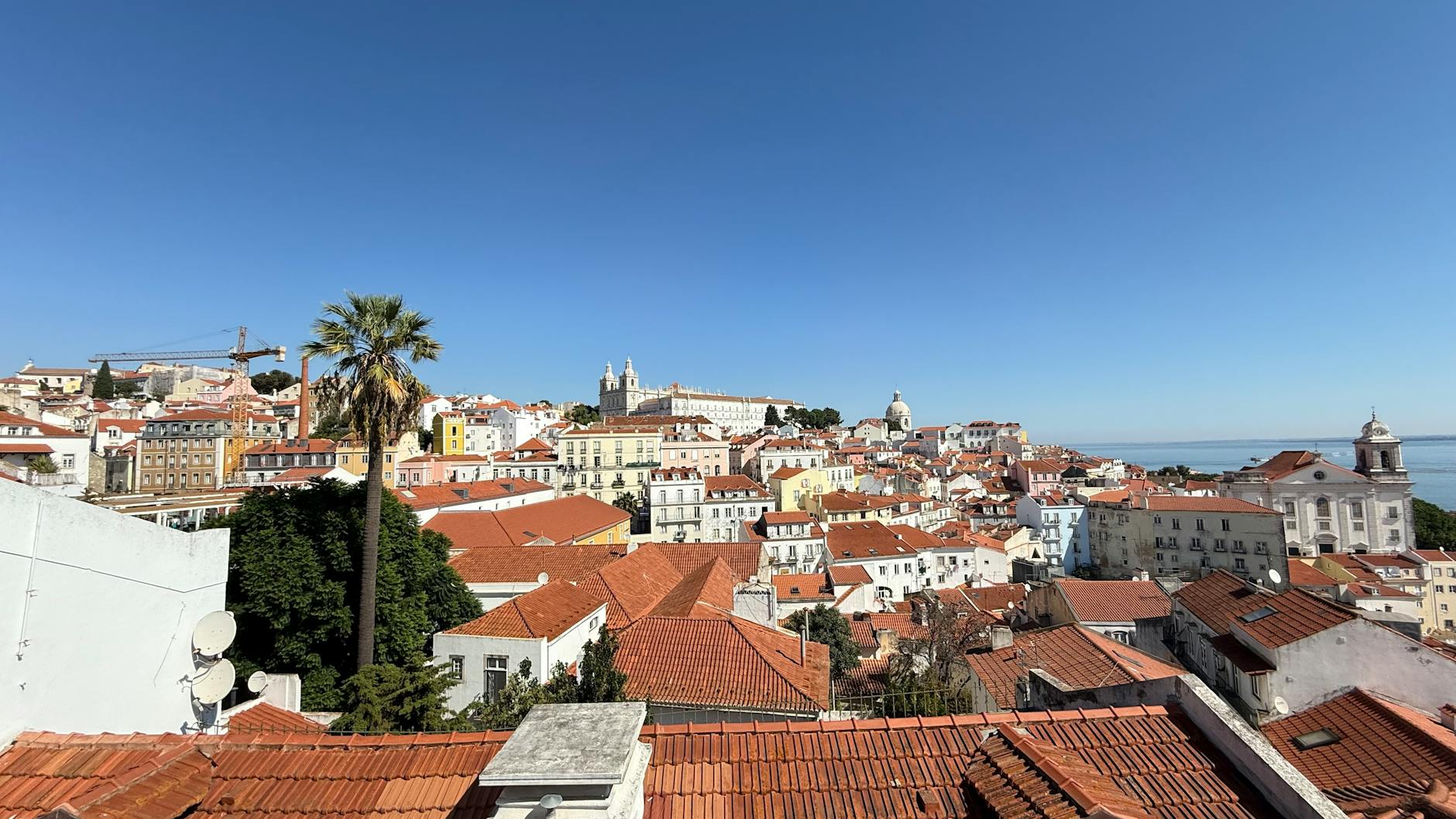
Accommodation in Alfama runs toward guesthouses and small boutique hotels, many in centuries-old buildings with thick stone walls and terraces over the Tagus. Santiago de Alfama, in a restored 15th-century palace, is among the neighborhood’s finest; Pousada de Lisboa and Memmo Alfama have rooftop pools with castle views. This Is Lisbon Hostel covers the budget end. The trade-off is the hills — wheeled suitcases are largely useless on Alfama’s cobblestones, and some areas are poorly lit at night. The Feira da Ladra flea market (Tuesdays and Saturdays) and the Fado Museum are the standout local draws.
Best for: Couples, photographers, fado lovers, repeat visitors wanting real neighborhood character. Budget range: €30–€50 (guesthouses), €80–€160 (boutique), €200–€400 (luxury boutique). Drawbacks: Very steep hills; limited restaurant variety; suitcase-unfriendly streets; some areas poorly lit at night.
Bairro Alto — Best for Nightlife
Bairro Alto is Lisbon’s nightlife quarter — quiet and crumbling-chic by day, a street party on Friday and Saturday nights. Dozens of tiny bars open their doors and crowds spill into the lanes with drinks in hand. The area pioneered Lisbon’s craft cocktail scene and holds some excellent fado restaurants alongside the drinking spots.
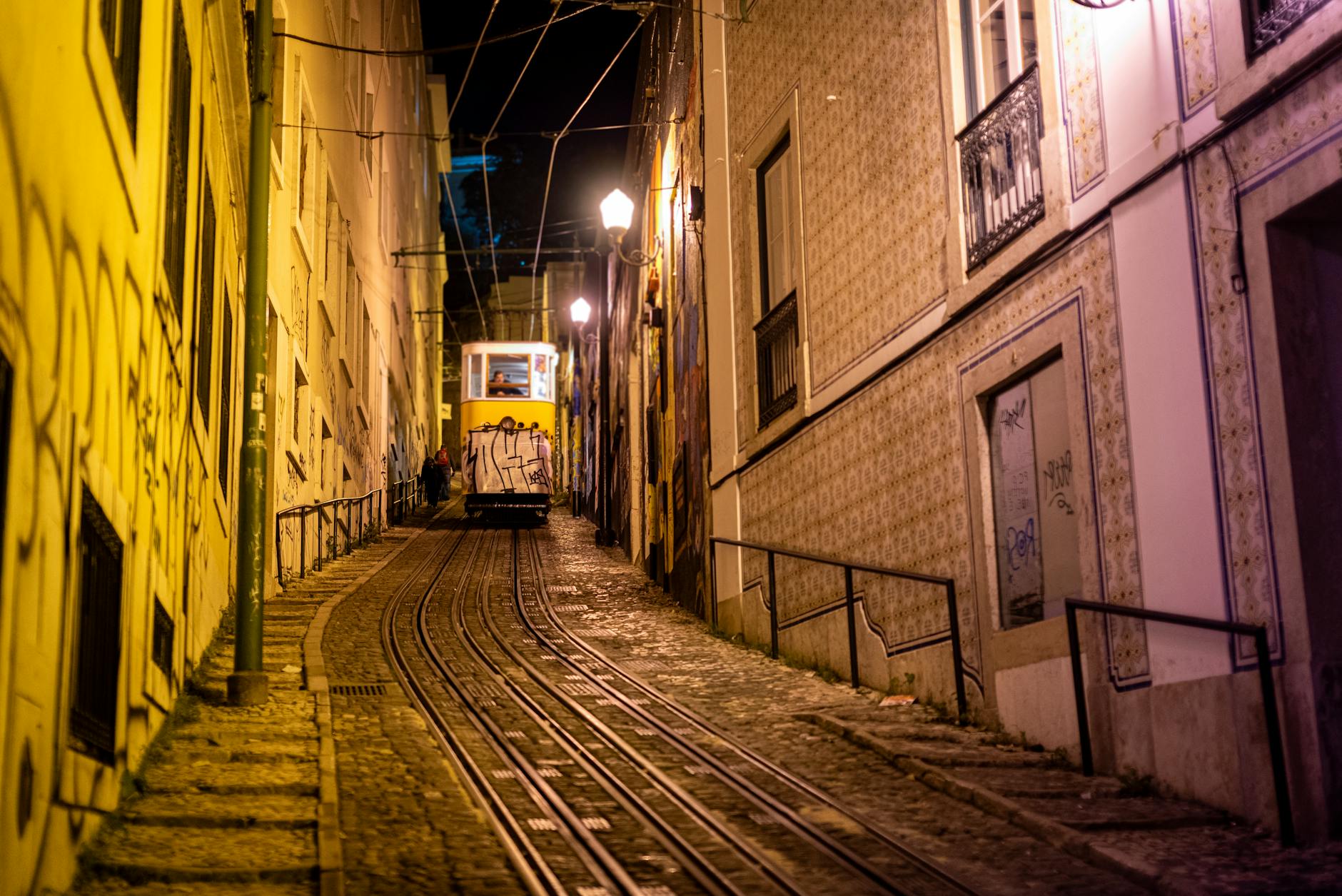
If you are a night owl, solo traveler, or part of a friend group looking for the social center of the city, Bairro Alto works. The Glória funicular connects it to Restauradores, the São Pedro de Alcântara viewpoint is worth stopping at, and Chiado’s restaurants are steps away. The trade-off is noise — earplugs are essential if your room faces the street. The Independente Príncipe Real is a standout art-deco hostel-hotel hybrid; Bairro Alto Hotel offers a rooftop pool and Michelin-recognized restaurant. For bar recommendations, see our Lisbon nightlife guide.
Best for: Solo travelers, younger visitors, nightlife enthusiasts. Budget range: €25–€45 (hostels), €80–€150 (mid-range), €200–€350 (boutique). Drawbacks: Very noisy Thursday through Saturday nights; steep hills; fewer family-friendly options; some streets look rough by day.
Príncipe Real — Best for Trendy, Local Experience
Príncipe Real sits just uphill from Chiado and Bairro Alto with a genuinely local atmosphere and far fewer tourists than the neighborhoods below it. The Jardim do Príncipe Real — shaded by an enormous centuries-old cedar — hosts weekend organic markets, and the surrounding streets are lined with independent design shops, third-wave coffee roasters, natural wine bars, and strong brunch spots like Dear Breakfast and Copenhagen Coffee Lab. It is also one of Lisbon’s most LGBTQ+-friendly neighborhoods.
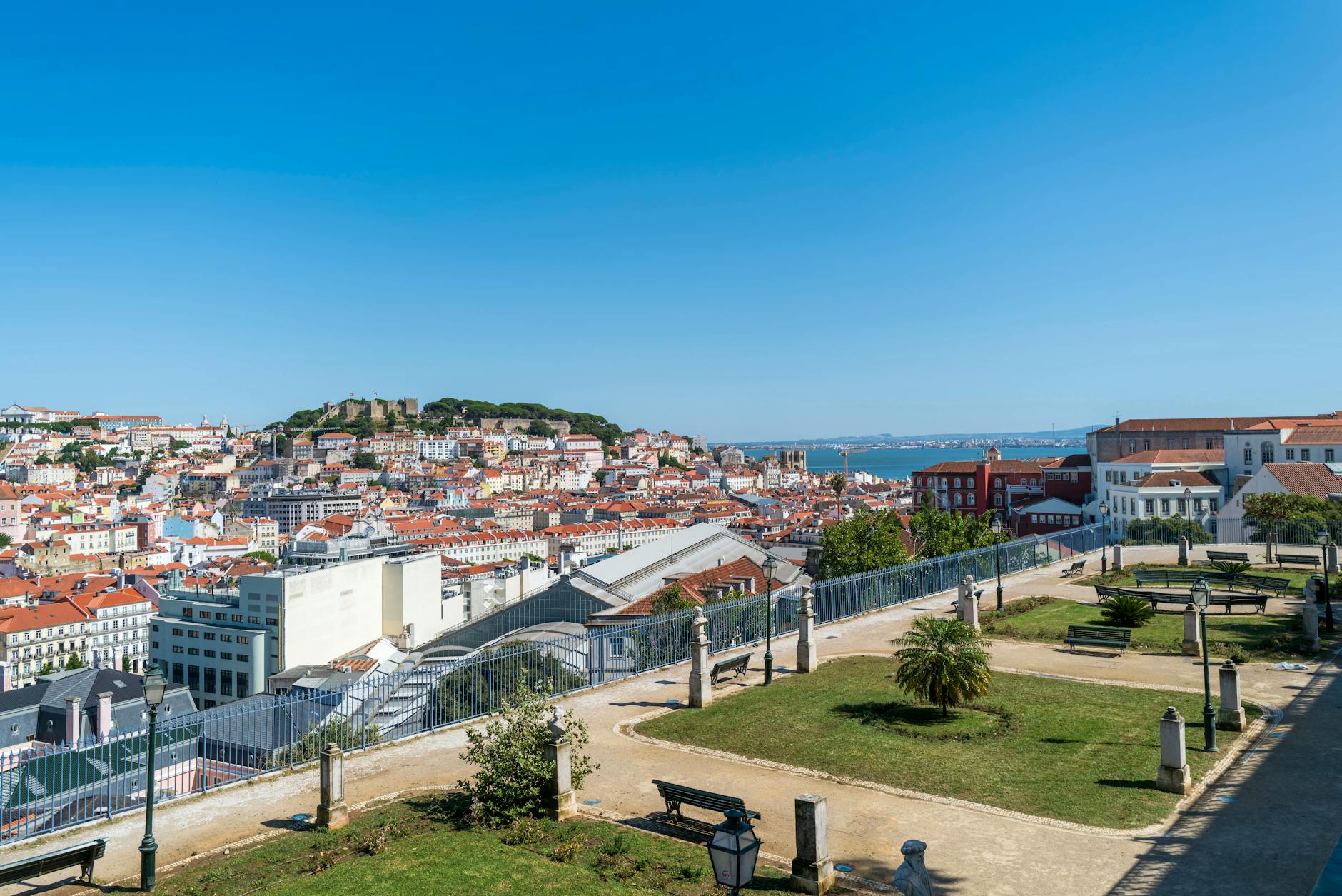
The Botanical Garden borders the neighborhood; Bairro Alto’s nightlife is five minutes downhill. Casa de São Mamede is an 18th-century property full of antiques; Montecarmo12 offers minimalist architect-designed rooms. Several well-converted apartments are available for longer stays.
Best for: Design-conscious travelers, foodies, couples, longer stays, digital nomads. Budget range: €90–€160 (mid-range), €160–€300 (boutique), €300+ (luxury). Drawbacks: Uphill walk from the center; few budget options; limited major sightseeing within the neighborhood itself.
Cais do Sodré — Best for Food and Coastal Access
Cais do Sodré has moved fast over the past decade — from rough dockside to one of Lisbon’s most interesting areas. The Time Out Market (Mercado da Ribeira) is the headliner, a curated food hall with stalls from some of Lisbon’s top chefs. The Pink Street (Rua Nova do Carvalho) runs with bars and clubs after dark. By day, the Ribeira das Naus waterfront — where locals sunbathe on wooden steps by the river — gives it a genuinely relaxed side.
It is also Lisbon’s main hub for coastal rail travel: trains leave every 20 minutes for Cascais and Estoril along the Tagus. The ferry terminal connects to Cacilhas across the river. Accommodation includes party hostels with rooftop pools (Sunset Destination Hostel), stylish mid-range options (Dare Lisbon River), coworking-friendly properties (Selina Secret Garden), and the five-star Corpo Santo Lisbon Historical Hotel, which has actual archaeological ruins in the basement. A good base if you want to split your time between the city and the coast.
Best for: Foodies, beachgoers, digital nomads, nightlife fans wanting easy coastal access. Budget range: €25–€50 (hostels), €90–€170 (mid-range), €200–€400 (luxury). Drawbacks: Loud at night; tourist-heavy around Time Out Market; less neighborhood character than Alfama or Príncipe Real.
Estrela and Lapa — Best Value Close to the Center
Estrela is one of the most underrated areas for visitors — elegant, residential, and full of character, but rarely on tourist radar. The grand Basílica da Estrela and the Jardim da Estrela are the centerpiece; the surrounding streets of embassies, historic townhouses, and antique shops have a distinctly composed atmosphere. Many expats and diplomats have settled here, which gives Estrela a cosmopolitan but non-touristy feel.
Neighboring Lapa is even quieter and more upscale, with palatial residences converted into small hotels. Both neighborhoods sit just west of Chiado — a 10-minute walk or short tram ride — and Tram 28 passes directly through. Hotels here run smaller and boutique-style at noticeably lower prices than equivalent quality in Chiado or Baixa. Jardim da Lapa by Shiadu has a pool and lemon garden; the Olissippo Lapa Palace — one of Lisbon’s most prestigious five-star properties — occupies a converted 19th-century palace with terraced gardens.
Best for: Value-seekers, couples, families, anyone wanting a quiet residential feel close to the center. Budget range: €70–€130 (mid-range), €130–€250 (boutique), €300+ (luxury at Lapa Palace). Drawbacks: Fewer restaurants and bars; requires walking or tram to reach major sights; quieter evenings.
Belém — Best for Museums and Riverside Walks
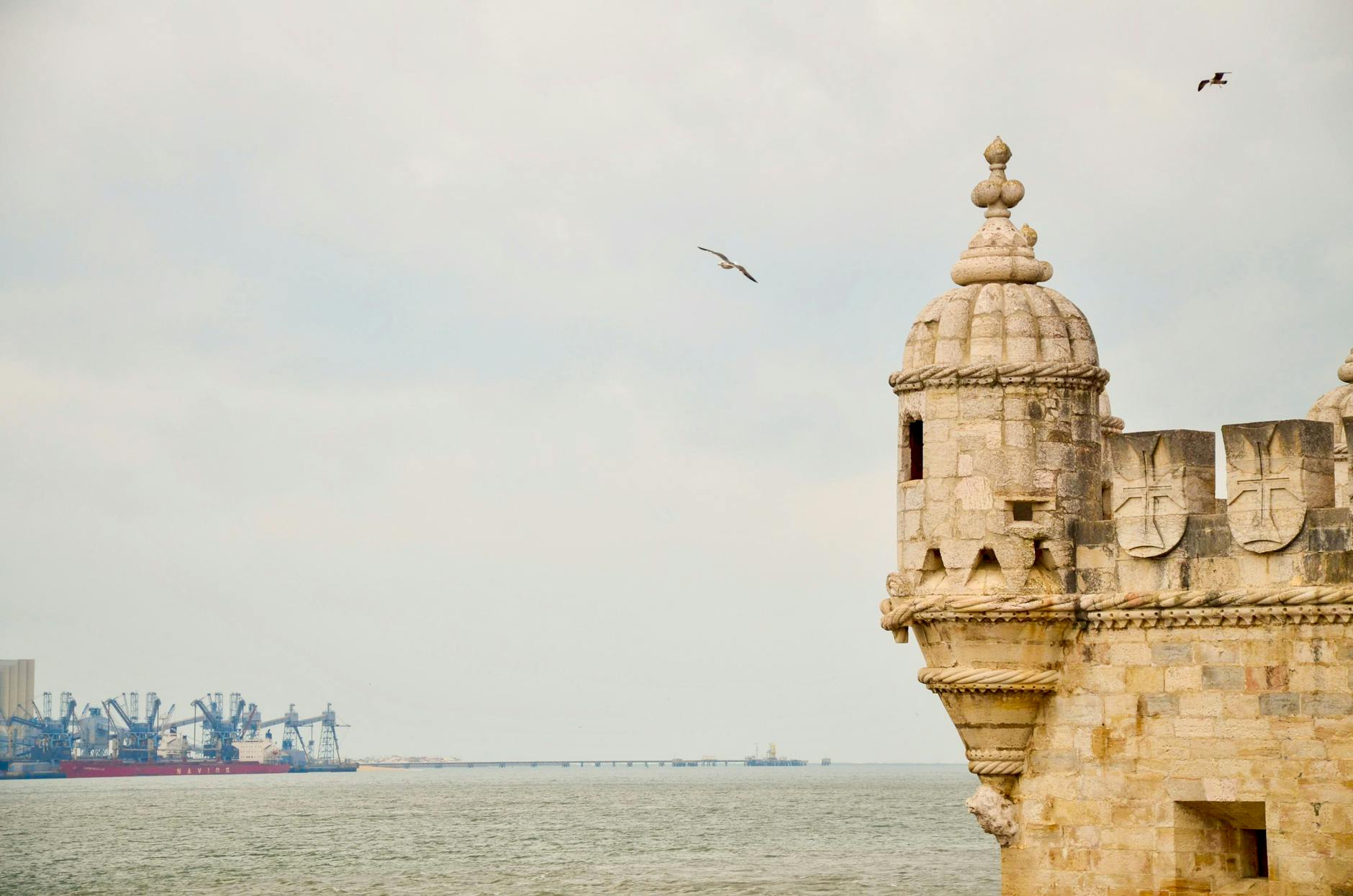
Belém sits about 6 kilometers west of the city center along the Tagus and concentrates more monuments per square kilometer than anywhere else in the city — Jerónimos Monastery, Belém Tower, MAAT, the Coaches Museum, the Monument to the Discoveries. The riverside promenade suits runners, cyclists, and long walks, and Pastéis de Belém draws queues of pastry-seekers daily. The neighborhood also holds the Tropical Botanical Garden and Palácio da Ajuda.
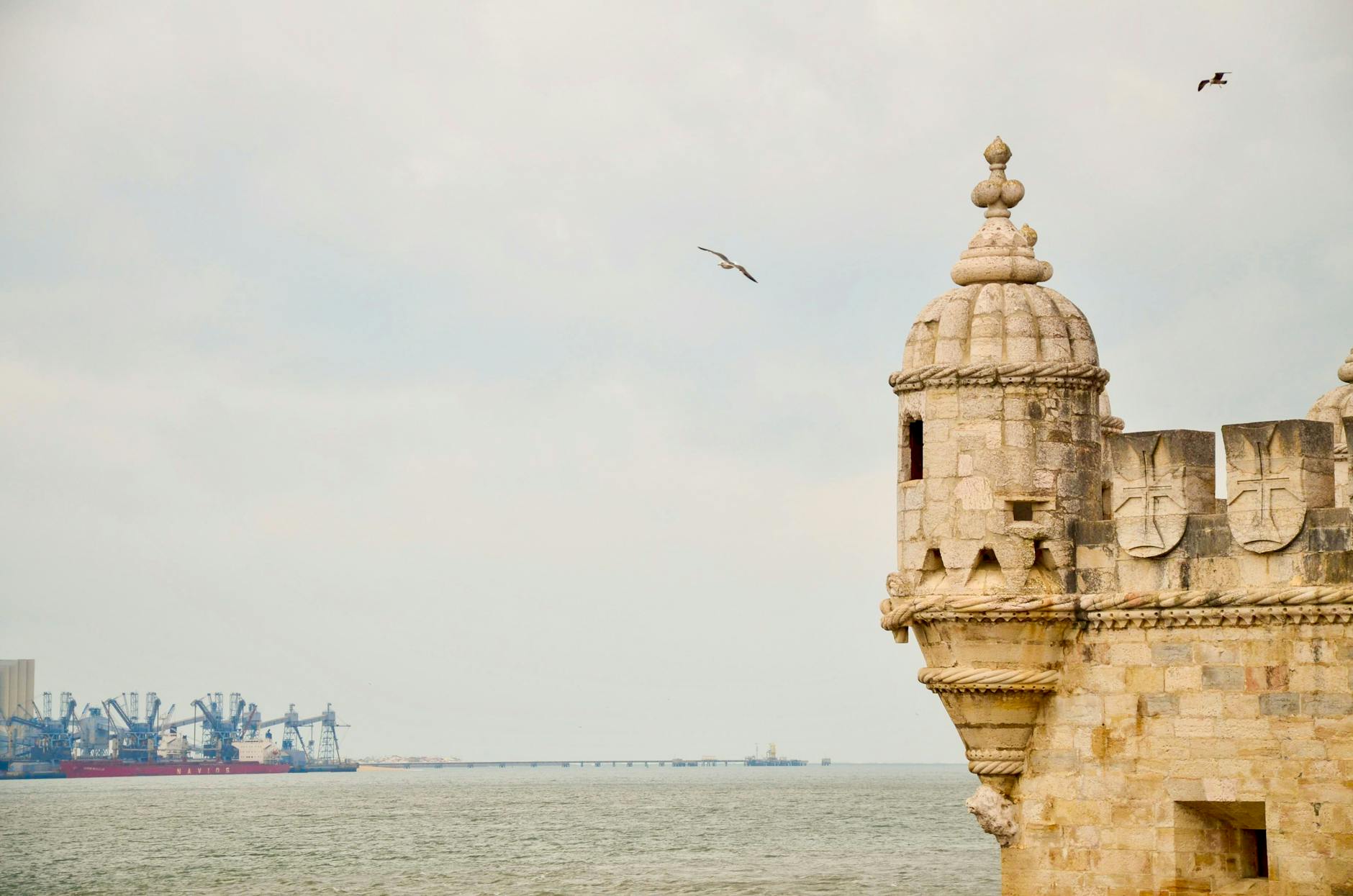
Staying in Belém suits travelers who want a quieter pace. Less tourist traffic in the evenings, wider streets, more green space, a more suburban feel. Local restaurants serve residents rather than tourists, which means more authentic meals at lower prices. The trade-off is distance — you will need Tram 15E or a bus to reach Baixa, Alfama, and the nightlife districts, about 20 to 30 minutes. Accommodation options are thinner than central neighborhoods, but a handful of excellent hotels and guesthouses have opened recently, including the modern Belém Hotel.
Best for: Museum lovers, families, runners and cyclists, travelers who prefer quiet evenings. Budget range: €70–€120 (guesthouses), €120–€200 (mid-range hotels). Drawbacks: Far from nightlife and central dining; fewer accommodation choices; can feel isolated from the city’s energy at night.
Parque das Nações — Best for Families and Modern Comfort
Built for the 1998 World Expo, Parque das Nações is Lisbon’s modern waterfront district on the eastern edge of the city. Wide pedestrian boulevards, manicured gardens, a cable car along the river, public playgrounds, and the Lisbon Oceanarium make it the most family-friendly neighborhood in the city. International hotel chains (Myriad by SANA, Tivoli Oriente, TRYP) offer spacious, air-conditioned rooms with river and bridge views; the Vasco da Gama mall provides rainy-day entertainment.
The red metro line connects Parque das Nações to the center — Oriente station is also a major national and international train hub. Think clean lines, contemporary architecture, and the 17-kilometer Vasco da Gama Bridge stretching across the Tagus. It is the right choice for families with young children who want safe, wide, flat spaces, or for business travelers attending events at the FIL convention center. The main cost is atmosphere: you are trading the old town’s character for convenience and modernity.
Best for: Families with kids, business travelers, modern comfort seekers, Oceanarium visitors. Budget range: €80–€150 (mid-range), €150–€300 (upscale chains). Drawbacks: Lacks historic character; 20-minute metro ride to the old town; limited independent restaurants; feels corporate by day.
Saldanha and Avenida da Liberdade — Best for Business and Luxury Shopping
The broad, tree-lined Avenida da Liberdade is a 1.2-kilometer boulevard flanked by designer boutiques (Louis Vuitton, Prada, Burberry), grand hotels, and manicured gardens. At its northern end, the Saldanha and Marquês de Pombal area is Lisbon’s business district — excellent metro connections, a local residential feel, and hotel rates that come in noticeably below the historic center for comparable quality.
The area suits business travelers, luxury shoppers, and visitors who want a more Portuguese experience without tourist crowds. Edward VII Park sits at the top of the avenue with sweeping views; the Gulbenkian Museum is a short walk away. Hotels range from efficient four-stars like Turim Lisboa (rooftop pool) to the Four Seasons Hotel Ritz at the top of the avenue. Several good hostels also operate here — including Lisboa Central Hostel — at prices below Baixa equivalents. The trade-off is a 20-minute walk or short metro ride to the historic center.
Best for: Business travelers, luxury shoppers, visitors wanting local atmosphere with good transport. Budget range: €20–€35 (hostels), €80–€140 (mid-range), €200–€500 (luxury on Avenida da Liberdade). Drawbacks: Less atmospheric than the old town; requires metro to reach main sights; can feel business-oriented.
Types of Accommodation in Lisbon
Lisbon covers the full range. Understanding your options makes it easier to find the right fit for where to stay in Lisbon.
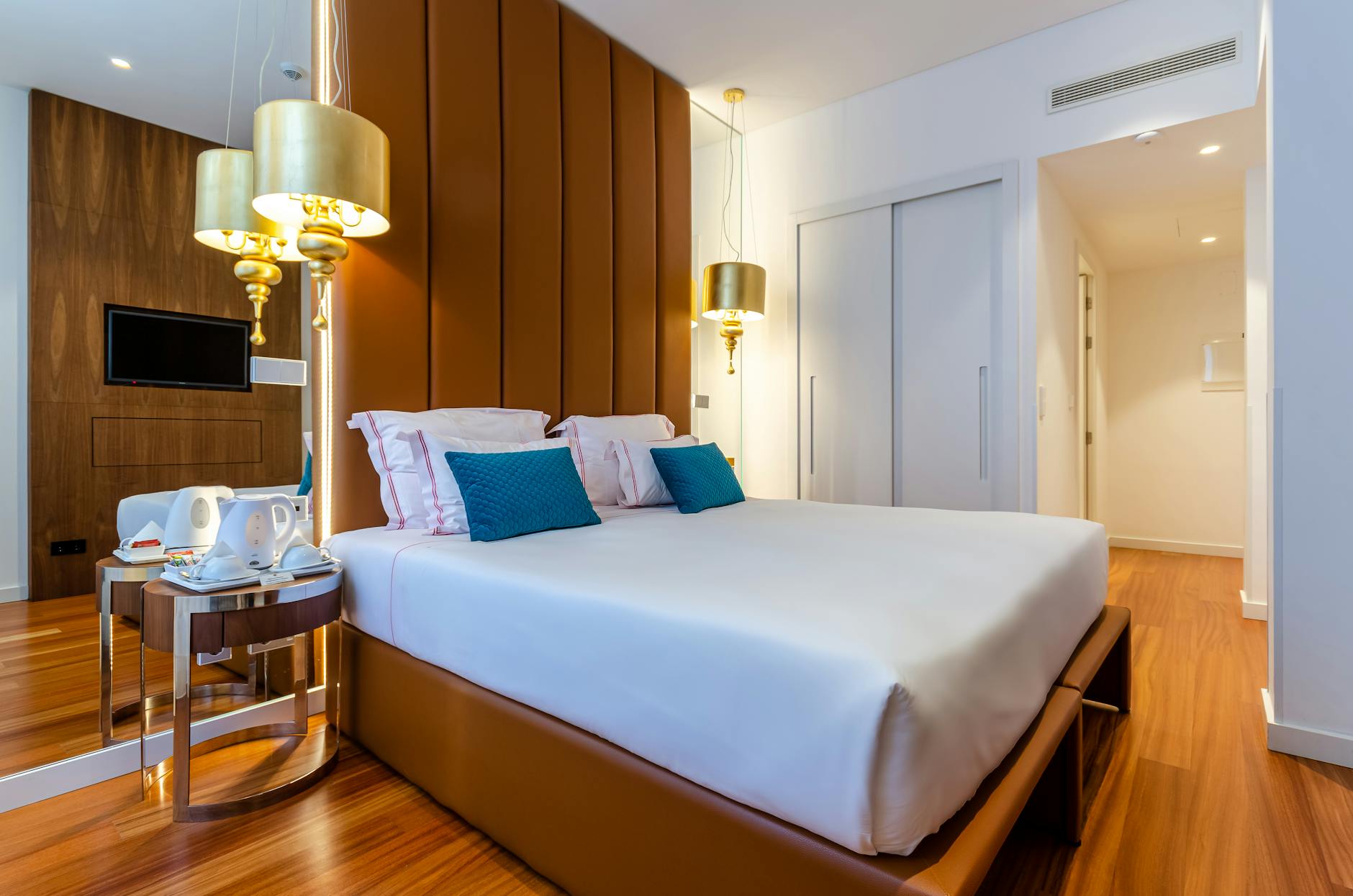
Boutique Hotels
Lisbon has become one of Europe’s best cities for boutique hotels. Many occupy restored 18th- and 19th-century palaces and townhouses, combining original architectural details — azulejo tiles, carved ceilings, stone archways — with contemporary Portuguese design. Budget €120 to €350 per night for characterful rooms, personal service, and often a rooftop terrace with views. Top picks include Santiago de Alfama, Memmo Alfama, Bairro Alto Hotel in Chiado, Palácio Ludovice Wine Experience Hotel in Bairro Alto, and Le Consulat near the river. Many boutique hotels also arrange private fado evenings, wine tastings, and city tours.
Hostels
Lisbon is consistently ranked as having some of the best hostels in the world. Properties like Yes! Lisbon Hostel, Sunset Destination Hostel (rooftop pool over the river), and Living Lounge Hostel combine strong design with social atmospheres and competitive prices. Dorm beds from €20 to €30 per night; private rooms from €50 to €90. Many include breakfast, events like pub crawls and day trips, communal kitchens, and co-working spaces. The strongest hostel concentration is in Baixa, Bairro Alto, and Cais do Sodré.
Apartments and Airbnbs
Short-term rental apartments are popular in Lisbon, particularly for longer stays, families, and groups. A well-located one-bedroom typically costs €80 to €150 per night; larger properties for groups can represent excellent value when split. Lisbon tightened rental regulations in recent years — ensure your property is properly licensed (look for the AL registration number in the listing). A kitchen is a real advantage: pick up bread, cheese, and wine at a local market and save restaurant spending for special meals.
Luxury and Palace Hotels
For a splurge, Lisbon’s luxury options include converted palaces, design hotels, and international five-star brands. The One Palácio da Anunciada blends Baroque frescoes with minimalist rooms in a 16th-century palace. The Four Seasons Hotel Ritz Lisbon sits on Avenida da Liberdade with one of the city’s best spas. Corpo Santo Lisbon Historical Hotel in Cais do Sodré has actual archaeological ruins in its basement. The Olissippo Lapa Palace — a converted 19th-century palace with terraced gardens — is considered by many to be the finest hotel in the city. Prices range from €250 to €600+.
Practical Tips for Booking Accommodation in Lisbon
A few things that can save money and prevent the most common booking mistakes when deciding where to stay in Lisbon.
Book early for summer: June through September is peak season, and the best properties sell out months ahead. Booking three to six months in advance is realistic for travel between May and October.
Consider shoulder season: March to May and October to November bring significantly lower prices, fewer crowds, and still-pleasant weather. Hotels typically drop rates 20 to 40 percent outside peak summer, and attraction queues are shorter too.
Check for tourist tax: Lisbon charges a city tourist tax of €2 per person per night (up to a maximum of 7 consecutive nights). It is usually not included in the displayed room rate on booking platforms and is collected at check-in.
Ask about air conditioning: Lisbon summers regularly exceed 35°C in July and August. Air conditioning is standard in hotels but not always present in older guesthouses or budget apartments — verify before booking if you are visiting June through September.
Think about luggage logistics: If staying in hilly Alfama or Bairro Alto, take a taxi from the airport directly to your accommodation and ask your host about the best drop-off point. Pulling suitcases uphill on cobblestones is genuinely hard. Many hosts will meet you at a flat access point.
ETIAS from 2026: Travelers from visa-exempt countries (US, UK, Canada, Australia, and others) now need an approved ETIAS travel authorization before entering Portugal. Apply online before your trip — the process takes minutes and approval is usually instant.
Where to Stay in Lisbon for Specific Travelers
Where to Stay in Lisbon for Families
Families with children should prioritize flat areas with space to move. Parque das Nações is the top pick: Oceanarium, playgrounds, wide promenades. Baixa is a solid alternative for flat streets and central access. Apartments with kitchens are more practical than hotel rooms for most families. Avoid steep Alfama and noisy Bairro Alto with younger children.
Where to Stay in Lisbon for Couples
Alfama delivers on atmosphere — medieval streets, intimate boutique hotels, fado drifting through the evening. Príncipe Real offers excellent restaurants, natural wine bars, and garden walks. A boutique hotel with a rooftop terrace (Memmo Alfama, Bairro Alto Hotel) makes evenings worthwhile. Chiado also works well for couples who want culture, dining, and easy access to everything else.
Where to Stay in Lisbon on a Budget
Lisbon’s hostels are among Europe’s best. The highest concentration of quality options is in Baixa, Bairro Alto, and Cais do Sodré. For private rooms at hostel prices, look at Saldanha and Arroios — less central but well-connected by metro. Apartments in Campo de Ourique and Graça offer excellent value for stays of a week or more.
Start Planning Your Lisbon Stay
No matter which neighborhood you land in, the city’s compact size means you are never far from what you want. Lisbon rewards curiosity — even a mediocre neighborhood location will put you 20 minutes by metro from something worthwhile. For more planning help, explore our comprehensive Lisbon travel guide, the best things to do in Lisbon, the Lisbon food guide, and the getting around guide. For official tourism information and neighborhood event listings, Visit Lisboa is the authoritative city tourism board.