Fado in Lisbon is one of the most extraordinary live-music experiences in Europe — a centuries-old, UNESCO-protected musical tradition still performed nightly in the same narrow Alfama and Mouraria streets where it was born two hundred years ago. But fado is also a tourist commodity, and the gap between an authentic small-room performance and a tour-bus dinner show is enormous. This guide is everything you need to find the real thing.
We cover what fado actually is, the difference between fado vadio and casas de fado, the best venues in Alfama, Mouraria, and beyond (with prices and what to expect), how to behave at a show, the tourist traps to avoid, and the small details — silence rules, when to clap, what to drink — that turn a confused first night into a transcendent experience. Updated for 2026.
What Is Fado, Really?
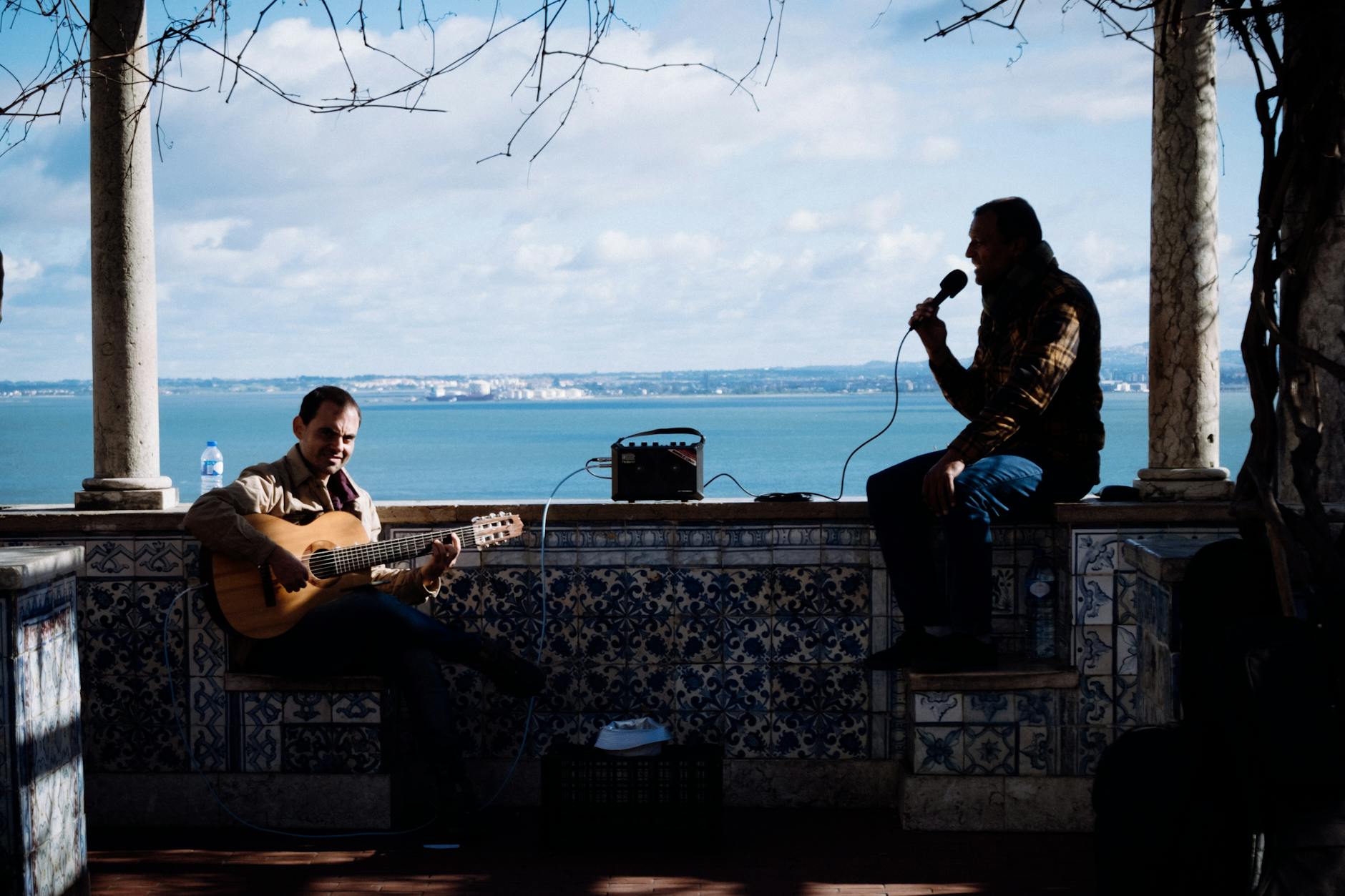
Fado (literally “fate” in Portuguese) is a genre of urban Portuguese music characterised by mournful, deeply expressive vocal performance accompanied by the Portuguese guitarra (a 12-string pear-shaped instrument unique to Portugal) and a classical viola (acoustic guitar). Songs typically deal with longing, love lost, the sea, the city, and saudade — the famously untranslatable Portuguese emotional concept of bittersweet longing for something absent.
The form emerged in the early 1800s in Lisbon’s working-class waterfront and hilltop districts, particularly Alfama and Mouraria, with influences traced to Brazilian, African, and Moorish musical traditions filtered through Portuguese maritime culture. UNESCO inscribed fado on the Representative List of the Intangible Cultural Heritage of Humanity in 2011.
Two main styles exist:
Fado de Lisboa — the urban Lisbon style, the form most travellers encounter. Solo voice, Portuguese guitarra, viola, often a third stringed instrument (viola baixa or contrabaixo).
Fado de Coimbra — the academic style from Portugal’s university city, traditionally sung by men (often students), with a more romantic and serenade-like feel. Harder to find performed in Lisbon.
Casas de Fado vs Fado Vadio: The Crucial Distinction
Two fundamentally different experiences exist under the “fado” umbrella, and travellers regularly confuse them:
Casas de Fado (Professional Fado Houses)
Established restaurant-venues with professional fadistas (fado singers) on a fixed programme. You book a table, order dinner, and during the meal the lights dim several times for ~20-minute fado sets featuring 3-4 performers rotating throughout the evening. The food is usually traditional Portuguese (bacalhau, grilled fish, octopus) and the atmosphere is reverent and structured.
Cost: 50-100 EUR per person including dinner, wine, and the show. A few high-end houses run 120-180 EUR per person.
Best for: First-time visitors, travellers who want a polished evening, and those who appreciate professional vocal performance.
Fado Vadio (Amateur, Spontaneous Fado)
Vadio means “vagabond” or “wandering.” This is amateur, often unannounced fado performed by enthusiasts and aspiring fadistas in tiny Mouraria and Alfama tascas. Anyone in the room can stand up and sing, with the house musicians backing them. The atmosphere is unstructured, often raw, and significantly cheaper. Food is bar-snack quality (cheese boards, cured meats, croquettes, beer or wine).
Cost: 15-35 EUR per person for a few drinks and snacks. No cover charge at most spots; tip the musicians if you stay through multiple sets.
Best for: Travellers who want the rawest, most spontaneous expression of fado, second-time visitors who already know the polished version, and night owls (vadio nights often go until 1-2 AM).
The Best Casas de Fado in Lisbon
Clube de Fado (Alfama)
One of Lisbon’s most respected fado houses, located in a beautiful historic building near the Se Cathedral. Owner Mario Pacheco — himself one of Portugal’s most respected guitarristas — has hosted nearly every major living fadista. Sets feature established names alongside rising stars.
Cost: EUR60-85 per person dinner + show; EUR30 minimum drinks-only after 11 PM.
Reservations: Essential. 1-2 weeks ahead during peak season.
A Severa (Bairro Alto)
Named after Maria Severa Onofriana (1820-1846), Lisbon’s first famous fadista, this is one of the city’s oldest fado houses (founded 1955). The decor is unchanged for decades — wood panelling, white tablecloths, framed photographs of mid-century Portuguese stars. Sometimes considered slightly tourist-leaning, but the music remains genuinely good.
Cost: EUR60-90 per person.
Mesa de Frades (Alfama)
Lisbon’s most atmospheric fado house, set inside a former 18th-century chapel with original azulejo-tiled walls and a curved barrel-vaulted ceiling. Tiny — only 30 seats — and intensely intimate. The acoustics are spectacular, and the singers are some of the city’s best.
Cost: EUR70-95 per person.
Reservations: Essential — book 2-4 weeks ahead. This is the single most-recommended casa de fado for first-time visitors.
Parreirinha de Alfama (Alfama)
Founded in 1953 by the legendary fadista Argentina Santos. The current owners maintain the traditional approach — established singers, no microphones, a small dining room without tourist-script atmosphere. Argentina Santos herself, into her 90s, would still occasionally sit in until her death in 2019.
Cost: EUR55-75 per person.
O Faia (Bairro Alto)
One of Bairro Alto’s most respected venues, with a small terrace overlooking the neighbourhood. Performers have included some of fado’s biggest names. The food is solid (mains EUR20-32) and the atmosphere is more relaxed than Mesa de Frades or Clube de Fado.
Cost: EUR60-90 per person.
Adega Machado (Bairro Alto)
Lisbon’s oldest fado house (founded 1937), recently renovated under new ownership. Two daily shows (8 PM and 10 PM) with traditional Portuguese cuisine and rotating performers. More polished and tourist-friendly than the Alfama spots, but the music quality is genuinely strong.
Cost: EUR65-95 per person.
Sr. Fado de Alfama
Run by guitarrista Duarte Santos. A small, family-run space focused on traditional fado without dinner-show theatre. The food is simple Portuguese (EUR18-26 mains).
Cost: EUR50-70 per person.
The Best Fado Vadio Spots
Tasca do Chico (Bairro Alto + Alfama)
The most-recommended fado vadio spot in Lisbon. Two locations — the original on Rua do Diario de Noticias 39 (Bairro Alto) and a smaller Alfama branch. Walls covered in football scarves, daily specials EUR10-13, and spontaneous fado from 9 PM most nights. No reservations; arrive at 8:30 PM for dinner, 11 PM for the music.
Cost: EUR15-30 per person.
Atmosphere: Loud, fun, jam-packed. The ideal fado vadio experience.
A Baiuca (Alfama)
Tiny tavern on Rua de Sao Miguel with stone walls and 30 seats. Owner Vitor and his family have run it for decades. Fado vadio plays Friday and Saturday nights. Food is simple Portuguese (EUR18-30 mains). Sets start around 8:30 PM.
Cost: EUR30-55 per person dinner + show.
Reservations: Essential — book 1-2 weeks ahead despite the rough-and-ready atmosphere.
O Riba Tejo (Mouraria)
Authentic Mouraria tasca with fado on Wednesday and Saturday nights. Tiny, locals-heavy, no website. Walk-in or call ahead by phone. Cash preferred.
Cost: EUR15-30 per person.
Tasca da Esquina (Mouraria)
The kind of neighbourhood-only spot tourists rarely find. Small kitchen, daily specials, fado vadio Friday nights. No reservations.
Fado Without Dinner: Drink-Only Options
Several casas de fado offer drinks-only access for the late sets (typically 10:30 or 11 PM onwards), with a EUR15-25 minimum spend. This is a useful compromise: you get the venue and the music without the full EUR70+ dinner commitment.
Best drinks-only options:
- Mesa de Frades — late sets sometimes have a few stool seats available
- Clube de Fado — bar seating with the same musicians as the dining room
- Parreirinha de Alfama — minimum EUR20
- Sr. Fado de Alfama — particularly walk-in friendly
Call ahead to confirm — drinks-only availability changes by night and season.
How to Behave at a Fado Performance
Fado has unspoken rules that even Portuguese audiences observe. Breaking them is the single most common tourist mistake:
1. Total silence during the music. When the lights dim and the guitars start, all conversation stops. No talking, no checking phones, no clinking glasses. This is taken seriously and waiters will physically shush you if needed.
2. No flash photography. Limited photography in general. Most venues request no photos at all during sets. A discreet phone shot before or after a song is sometimes acceptable; check the venue’s policy.
3. Do not enter or leave during a song. Wait for the lights to come up. If you need to use the bathroom mid-set, you will be politely asked to wait.
4. Clap at the end of each song, not during. Songs are typically 3-6 minutes long. Wait until the final notes fade.
5. Tip the musicians. EUR5-20 per person if you have enjoyed the evening, slipped to the guitarrista or singer at the end. Not required at casas de fado where service is included; meaningful at fado vadio venues.
6. Do not request specific songs. Each fadista chooses their own programme. Calling out song titles is considered disrespectful.
7. Dress code. No swimwear, beachwear, athletic shorts, or flip-flops. Smart-casual is the norm.
Tourist Traps to Avoid
Several fado venues have built reputations on tourist volume rather than musical quality. Signs to watch for:
- Photo menus on the door with translations into 6+ languages
- Shows starting at 6 or 7 PM for cruise-ship crowds (genuine fado evenings start at 8:30-9 PM minimum)
- Large dining rooms seating 80+ people (genuine casas de fado are 25-60 seats)
- Hosts soliciting customers from the street
- Set tour menus at EUR100+ per person
- Fado advertised alongside flamenco or other unrelated genres
The best venues do not need aggressive marketing — they fill on reputation and reservations.
Where Fado Was Born: Mouraria and Alfama
Mouraria — The Other Birthplace
Mouraria is technically the older birthplace of fado — Maria Severa, the legendary first fadista, lived and sang here in the 1840s. The neighbourhood remained the primary fado district through the early 20th century, when Alfama gradually overtook it as the tourist-facing centre. Today Mouraria is in revival; it is the most diverse Lisbon neighbourhood and home to some of the most authentic, locals-only fado vadio spots.
Walking tip: Climb from Martim Moniz square up Rua do Capelao — the small lane where Severa is said to have lived. Look for the small tile panel commemorating her near number 31.
Alfama — The Tourist Centre
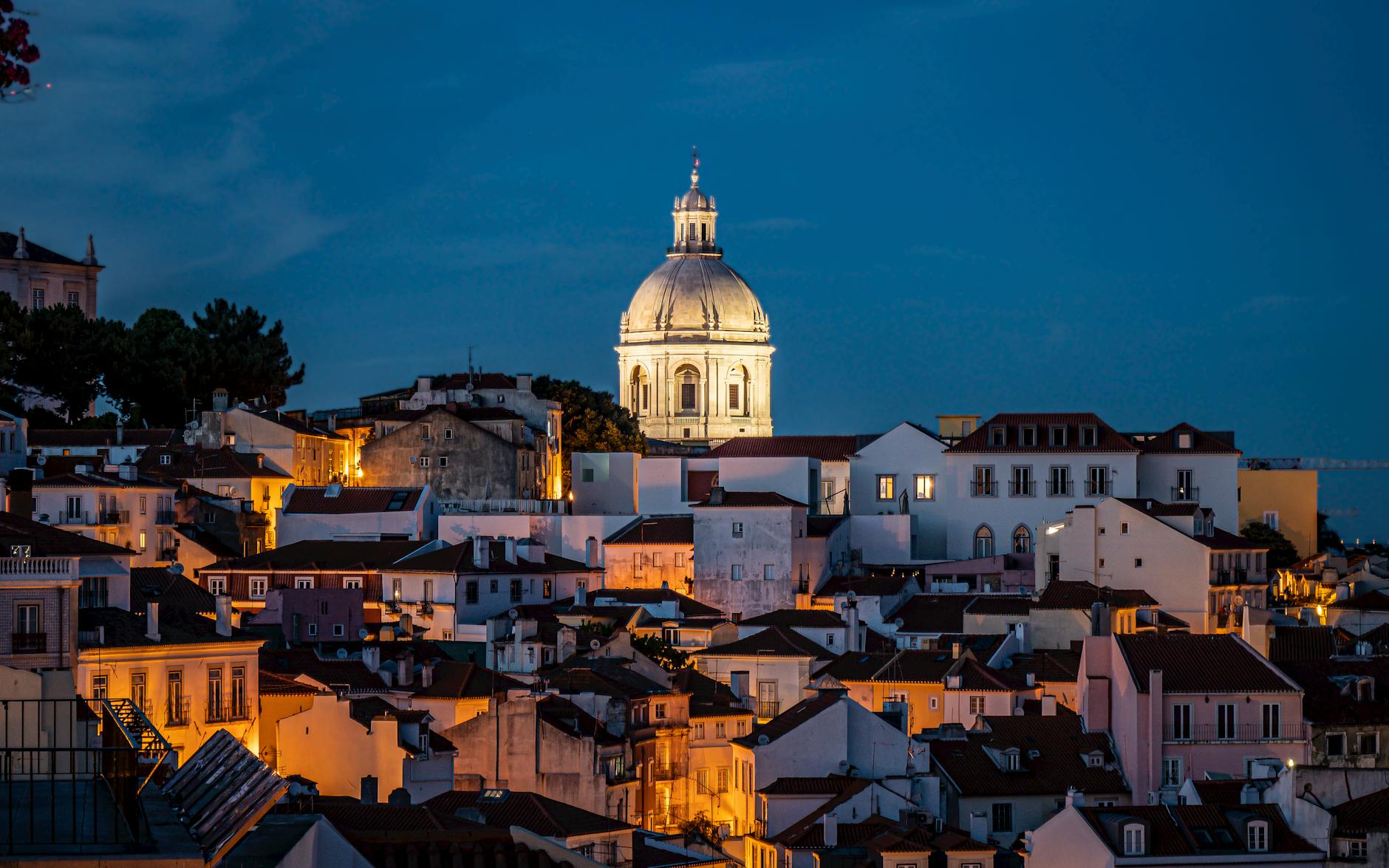
Alfama has been the public face of fado for over a century. The neighbourhood’s narrow medieval lanes, hilltop position, and intact 18th-19th century architecture make it photogenic in a way that has proved impossible to resist. Most casas de fado cluster around Rua dos Remedios, Beco do Mexias, and the streets descending from Largo do Chafariz de Dentro.
Spend an hour walking these streets before your fado dinner — the context dramatically enriches the music. See our Alfama neighbourhood guide for a fuller walking tour.

The Fado Museum (Museu do Fado)
For deeper context, visit the Museu do Fado at Largo do Chafariz de Dentro 1 in Alfama (Tuesday-Sunday, 10 AM – 6 PM, EUR5). The museum traces fado’s history through audio archives, original instruments, photographs, and recordings from the late 1800s onward. Allow 60-90 minutes. The bookshop has the best fado CD selection in Portugal.
The museum’s small auditorium also occasionally hosts intimate fado concerts — check the calendar.
Listening to Fado at Home: Where to Start
If you want to prepare before your trip or continue listening after, start with these names:
- Amalia Rodrigues (1920-1999) — the Queen of Fado, the artist who took fado from a working-class genre to international concert halls. Start with “Lagrima,” “Estranha Forma de Vida,” or the album “Asas Fechadas.”
- Carlos do Carmo (1939-2021) — the bridge between traditional and modern fado. “Lisboa, Menina e Moca” is iconic.
- Mariza — the most internationally famous contemporary fadista. “Loucura” or “Ha uma musica do povo” are great entry points.
- Camane — Portugal’s most respected male fadista of his generation.
- Ana Moura — modern, more pop-influenced. Wider crossover appeal.
- Misia — innovative, sometimes controversial; collaborates with literary lyricists.
- Cristina Branco — poetic, jazz-influenced.
- Camane + Mario Pacheco “Live in Coliseu” — the single best live recording for understanding casa de fado dynamics.
Best Time to Hear Fado
Fado is performed year-round, but the experience changes seasonally:
Spring (March-May) — comfortable evening temperatures, full schedule, manageable crowds. The best general window.
Summer (June-August) — peak season, every venue runs at capacity, reservations 2-4 weeks ahead. Some Alfama venues open al fresco terraces. The Festas de Lisboa in June bring extra fado events.
Autumn (September-November) — second-best window. Cooler evenings, slower crowds.
Winter (December-February) — atmospheric and quiet. Some smaller fado vadio venues run reduced schedules. The best season if you want to experience an Alfama tasca with mostly local audiences.
For broader context, see our best time to visit Lisbon guide.
Practical Booking and Etiquette Tips
Reserve 1-4 weeks ahead for casas de fado. Mesa de Frades, Clube de Fado, and Parreirinha de Alfama all book out particularly fast.
Arrive 15 minutes early. Most venues seat in waves and latecomers can disturb the start of a set.
Dinner at 8 PM, music at 9 PM. Standard schedule for casas de fado. Fado vadio venues typically start later — 10-11 PM.
Wine over cocktails. Order Portuguese reds (Douro, Alentejo, Dao) or whites (Vinho Verde, Bairrada). Cocktails are not the venue’s strong point.
Cash for tips. Even at venues that accept cards, tips are typically given in cash directly to the musicians.
Three sets per night is standard. Most casas de fado run 9 PM, 10:30 PM, and 11:45 PM sets. The first set is often the most polished; the late set tends to be looser and more soulful.
Fado Beyond the Casas: Festivals and Concerts
Festas de Lisboa (June) — fado pops up at street parties throughout Alfama and Mouraria during Santo Antonio. Several free outdoor concerts.
Caixa Alfama (September) — three-day fado festival in Alfama with multiple stages and 50+ performers. Tickets EUR25-45 per night. The single best moment of the year for fado discovery.
Coliseu dos Recreios concerts — major fadistas (Mariza, Ana Moura, Camane) regularly play this 4,000-seat historic theatre. Tickets EUR30-90.
CCB (Centro Cultural de Belem) and Gulbenkian concerts — occasional fado nights in formal concert-hall settings.
FAQ: Fado in Lisbon
Is fado worth experiencing?
Yes — for most travellers, hearing fado live is one of the genuine highlights of a Lisbon trip. Even those who don’t speak Portuguese typically find the emotional intensity striking.
How much does a fado show in Lisbon cost?
Casas de fado run EUR50-100 per person including dinner. Drinks-only access is EUR20-35. Fado vadio at small tascas costs EUR15-35 for snacks and drinks.
Do I need to speak Portuguese to enjoy fado?
No. The emotional power of fado transcends language. Many venues offer printed lyric translations, and you will quickly recognise themes of longing, love, and the sea.
How long does a fado show last?
A typical evening at a casa de fado runs 2-3 hours: dinner from 8 PM, three fado sets of 20-25 minutes interspersed with breaks for service, ending around 11 PM. Fado vadio sessions are looser and often continue until 1-2 AM.
What’s the difference between fado and flamenco?
Both are emotional Iberian musical traditions, but fado is Portuguese (urban, monodic vocal with stringed accompaniment, generally seated), while flamenco is Spanish (Andalusian, often dance-driven, strongly rhythmic). They share emotional intensity but are musically and culturally distinct.
Can children attend fado?
Most casas de fado accept children but the late hours (dinner runs to 11 PM) and silence requirement make it impractical for young kids. Older children (10+) who can sit quietly for 20-minute sets often genuinely enjoy the experience.
Is the food good at fado venues?
Variable. Some casas de fado serve excellent traditional Portuguese cooking (Mesa de Frades, Clube de Fado, Parreirinha de Alfama), while others treat food as secondary to the music. Reading recent reviews specifically about food quality is wise.
What’s the best night for fado in Lisbon?
Friday and Saturday have the most performances, but those are also the busiest nights. Tuesday-Thursday offer the same quality with smaller crowds and easier reservations.
Where can I see fado for free?
Free fado pops up at the Festas de Lisboa (June) and occasionally on Sunday afternoons at small Mouraria tascas. The street performers on Largo do Chafariz de Dentro and around the Se Cathedral are sometimes worth pausing for.
Bottom Line
The best fado experience in Lisbon happens at small Alfama casas (Mesa de Frades, Clube de Fado, Parreirinha de Alfama), or — for the most spontaneous and local-feeling version — at a Mouraria fado vadio tasca like Tasca do Chico or A Baiuca. Reserve a table at one of the casas at least 1-2 weeks in advance, dress smart-casual, sit in respectful silence during the music, tip the musicians at the end, and arrive without preconceptions. You don’t need to speak Portuguese to feel why this music lasted 200 years.
Continue planning evenings out with our Lisbon nightlife guide, our best rooftop bars shortlist, and our best bars in Lisbon guide.