The National Tile Museum (Museu Nacional do Azulejo) is one of Lisbon’s most overlooked treasures — a 500-year story of Portuguese identity told entirely in glazed ceramic tiles, set inside a stunning former 16th-century convent. While the major museums (Gulbenkian, MAAT, Berardo) get the headlines, the Tile Museum quietly delivers what many travelers rate the best museum experience in Lisbon.
This guide covers everything you need to plan a great visit: tickets, hours, getting there, what to see (including the famous 23-meter Lisbon panel that shows the city before the 1755 earthquake), the convent setting that’s a destination in its own right, and the broader context of azulejo art that makes Lisbon visually unlike any other European capital. Updated for 2026.
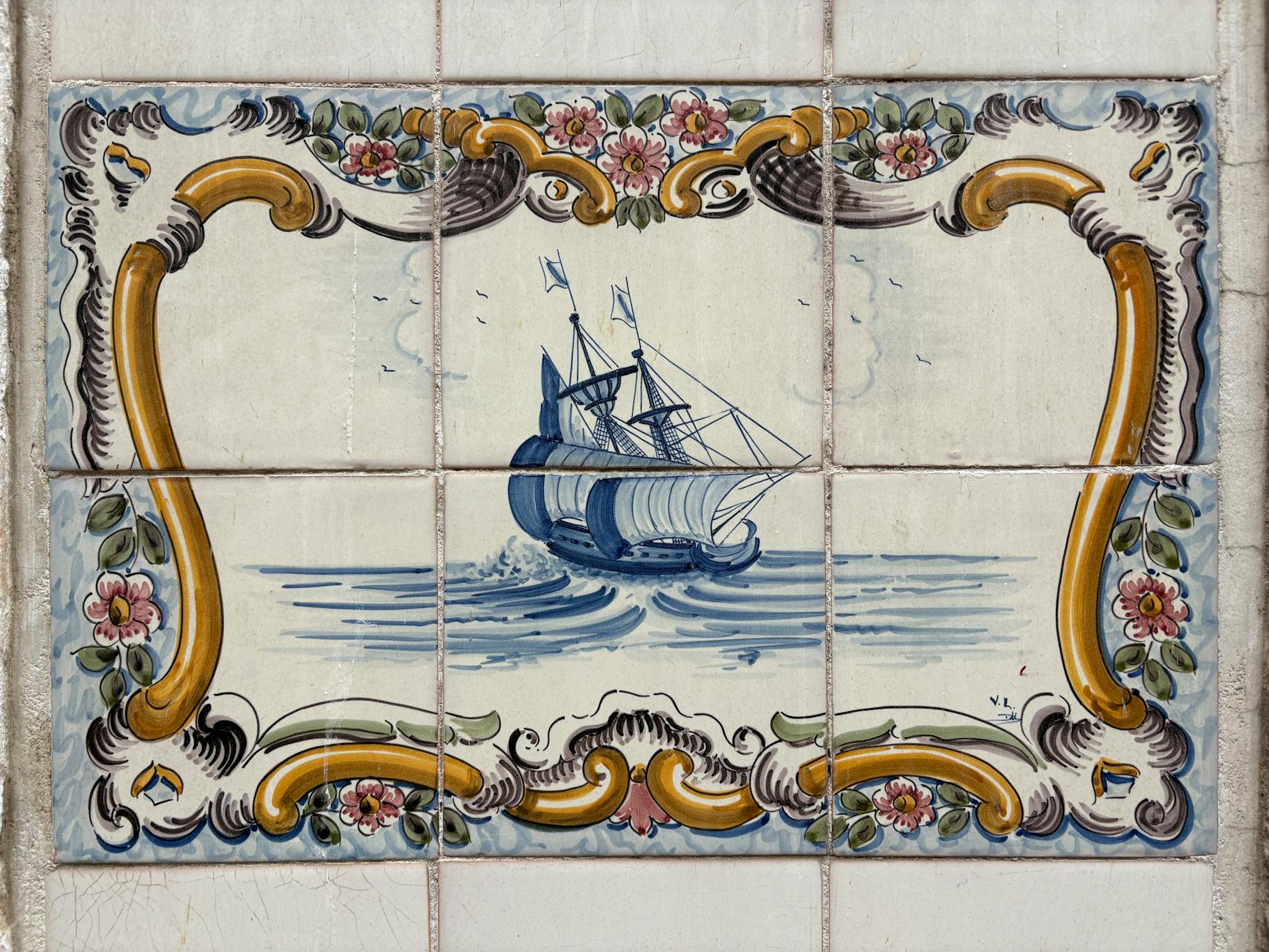
Why Visit the National Tile Museum?
Three reasons that make this museum unique:
1. The collection is the world’s deepest dive into a single uniquely Portuguese art form. Azulejos (glazed ceramic tiles) are a 500-year through-line in Portuguese visual culture, covering everything from cathedral interiors to metro stations. The museum traces this story chronologically, from 15th-century Hispano-Moresque imports through the Baroque blue-and-white explosion to contemporary installations.
2. The setting is itself a major monument. The museum occupies the former Convento da Madre de Deus, founded in 1509 by Queen Leonor of Lancaster. The convent church (still consecrated and stunning), the central cloister, and the chapter house are extraordinary spaces in their own right.
3. The 23-meter Lisbon Panel is one of the most evocative single artworks in Portugal. A 1,300-tile panorama of Lisbon’s skyline as it looked before the catastrophic 1755 earthquake — essentially a panoramic photograph of a lost city, frozen in 1700.
Tickets, Hours & Practical Info (2026)
Opening Hours
Tuesday through Sunday: 10:00 AM – 6:00 PM (last entry 5:15 PM)
Closed: Mondays, January 1, Easter Sunday, May 1 (Workers’ Day), June 13 (Santo António, Lisbon’s municipal holiday), and December 25.
Ticket Prices
- Standard adult: €8.00
- Youth (13–25): €4.00
- Children under 12: Free
- Seniors 65+: €4.00
- Family pass (2 adults + 2 children): €15
The Lisboa Card includes free entry. Tickets can be purchased at the door (queues are rarely longer than 5–10 minutes) or online via the official Direção-Geral do Património Cultural site.
Discount Days
Sundays before 2:00 PM are free for residents and tourists. Lines on free Sunday mornings can stretch 20–30 minutes. The standard €8 ticket on a quieter weekday is usually the better trade.
Getting to the Tile Museum
The museum sits at Rua da Madre de Deus 4 in Lisbon’s eastern Xabregas district, about 4 km from central Praça do Comércio. It’s the one major museum that’s not in walking distance of the historic core, but it’s still very accessible:
By Bus (Recommended)
Bus 759 runs from Restauradores square (central Lisbon) directly to the museum. The trip takes 15–20 minutes; tickets are €2.10 cash or €1.80 with a Viva Viagem card. Get off at “Igreja da Madre de Deus” — the museum entrance is 50 meters away.
Bus 728 from Praça do Comércio also stops at the museum.
By Train
The closest train station is Santa Apolónia (10 minutes’ walk via riverside path) — useful if you’re arriving from elsewhere on the Northern Line.
By Uber/Bolt/Taxi
From central Lisbon: €8–€12, 12–18 minutes. The simplest option if you have mobility constraints.
By Tram or Metro
No direct tram or metro to the museum, but Tram 28 stops at Igreja de Santa Engrácia (10 minutes’ walk). Metro Santa Apolónia (Blue Line) also requires a 10-minute walk.
What to See: The Museum’s Main Attractions
The Convent Church (Igreja da Madre de Deus)
Start here. The original convent church, fully tiled and gilded, is one of the most extraordinary interiors in Lisbon. Floor-to-ceiling Baroque azulejos depicting the life of the Virgin Mary cover every wall, framed by gilded woodwork (talha dourada) added in the 17th and 18th centuries. The painted ceiling, the high altar, and the beautifully preserved choir stalls are all original.
Allow 15–20 minutes minimum. Many visitors race through this room — don’t.
The Manueline Cloister
The heart of the original convent, with arched walkways framing a tile-paved central garden. The cloister tiles include some of the museum’s earliest pieces, and the architecture is among Lisbon’s best-preserved early-16th century Manueline interiors.
The 23-Meter Lisbon Panel
The museum’s signature work, given its own dedicated room. A 1,300-tile panorama, attributed to Spanish-Portuguese painter Gabriel del Barco around 1700, depicts the entire Lisbon skyline along the Tagus before the 1755 earthquake. The panel runs roughly 23 meters in length — long enough that the river bend, the royal palace, the cathedral, and dozens of churches and convents (most no longer standing) are all visible.
The panel functions as a panoramic photograph of a city that was substantially destroyed 55 years later. Spend at least 15 minutes here. Many visitors return for a second look at the end of the visit.
The Permanent Collection (Chronological Galleries)
The museum’s main collection traces Portuguese tile history room by room:
15th–16th century — Hispano-Moresque tiles imported from Seville, the earliest azulejos used in Portugal. Geometric Islamic-influenced patterns laid down in royal palaces.
Late 16th–early 17th century — the development of distinctly Portuguese tile traditions, including the use of polychrome figurative panels in religious and civic spaces.
Late 17th–early 18th century — the Baroque blue-and-white era. Massive narrative panels depicting religious scenes, mythological allegories, and hunt and battle imagery. This is the period of the famous Lisbon Panel.
Mid-18th century — Rococo elaboration, lighter themes, and the post-earthquake reconstruction style. Pombaline tiles for the rebuilt Baixa.
19th century — industrialization of tile production, the rise of factory-produced facade tiles that would cover Lisbon’s residential buildings.
20th–21st century — modernist and contemporary tile art, including works by Maria Keil (designer of the original Lisbon metro tile programs) and Jorge Colaço (Rossio Station).
The Convent Setting
Even visitors who arrive uninterested in tiles often leave impressed by the building itself. The Convento da Madre de Deus was founded in 1509 by Queen Leonor of Lancaster (sister of King Manuel I) for Poor Clare nuns of strict observance. The Manueline cloister, late-16th-century chapter house, and Baroque chapel are all extraordinary in their own right.
Several smaller historical rooms are open to visitors:
- The chapter house with its richly painted ceiling
- The lower choir with original 17th-century azulejos
- The kitchen with its giant azulejo-tiled hood — one of the few preserved monastic kitchens in Lisbon
- The small inner cloister (often overlooked) with original convent gardens
Quick Primer on Azulejos
Why are azulejos so important to Portuguese culture? A 60-second crash course:
The word comes from the Arabic az-zulayj, meaning “small polished stone” — the linguistic root tells you the tradition is Moorish. Tiles were brought to Iberia during the Islamic period (711–1492) and adopted by Christian Portugal as it expanded both within Iberia and overseas.
By the 17th century, Portugal had developed a distinctive blue-and-white narrative-panel style influenced by Dutch Delftware. Massive azulejo cycles became standard decoration for churches, palaces, hospitals, and aristocratic homes. By the 19th century, factory-produced patterned tiles covered ordinary residential and commercial facades — which is why so many Lisbon buildings today have tiled exteriors.
The result is a city visually unlike any other European capital. Walk any Lisbon neighborhood and you’ll see azulejos at every scale: from massive 18th-century church interiors to 19th-century apartment-block facades to contemporary metro-station installations to small shop-front decorative panels.
The National Tile Museum is the single best place to understand this 500-year continuum.
Photography & Practical Tips
Photography is permitted throughout the museum without flash or tripods. Drones are not allowed. The convent church is occasionally restricted during religious services.
Audio guide: Available as a downloadable phone app from the museum’s official site. €3 fee, well worth it for context. Bring earbuds.
Accessibility: The ground floor is wheelchair accessible. The upper levels are accessed only by stairs (the original convent has no elevator); approximately 30 percent of the collection is on the upper floor.
Bag policy: Free locker storage is available at the entrance. Backpacks larger than a small daypack must be checked.
Bathrooms: Located near the entrance lobby, plus a second set near the cafe. Clean and accessible.
The Museum Café and Restaurant
The museum’s café and restaurant sits in a beautifully tiled inner courtyard with original 18th-century azulejo panels — one of Lisbon’s most photogenic small dining spaces. The lunch menu features simple Portuguese dishes (€12–€18 mains), and the cafe serves coffee, pastel de nata, and light snacks. Worth pausing here even if you’re not specifically hungry.
The restaurant is open 12:30 PM – 3:30 PM Tuesday through Sunday. The cafe stays open throughout museum hours.
Combining the Tile Museum with Other Sights
The museum is in eastern Lisbon, slightly off the standard tourist circuit. Smart pairings for a half-day:
Morning at the Tile Museum (10 AM – 12 PM) + lunch in the museum cafe + afternoon at the Pantheon (Igreja de Santa Engrácia) 10 minutes’ walk. The Pantheon — a 17th-century domed church with the tombs of Portugal’s heroes — is open Tuesday–Sunday, 10 AM–5 PM, €8. Together they make a perfect 4–5 hour east-Lisbon block.
Continue from the Pantheon to Feira da Ladra (Lisbon’s famous flea market, Tuesday and Saturday only, 9 AM–6 PM) or the Monastery of São Vicente de Fora for a longer afternoon.
For more itinerary ideas, see our Lisbon museums and culture pillar guide.
Tile Museum vs Other Lisbon Museums
How does the Tile Museum compare to Lisbon’s other major museums?
Calouste Gulbenkian Museum — broader scope, world-class private collection from antiquity to early modern, plus modern and contemporary Portuguese art. Bigger, more famous, more crowded. The Gulbenkian is the better choice if you have time for only one museum on a short trip.
MAAT (Museum of Art, Architecture & Technology) — modern building, contemporary exhibitions, riverside Belém location. Great for design and architecture lovers.
Berardo Collection Museum — modern and contemporary art, free entry on Saturdays, Belém location.
National Coach Museum — incredible collection of royal carriages, also in Belém. Niche interest but uniquely Portuguese.
The Tile Museum’s competitive advantages: uniqueness (no comparable museum exists anywhere else), the convent setting, and the relatively low crowd density. It’s the best second-or-third Lisbon museum to visit.
Best Time to Visit
Weekday mornings (10–11 AM) are the quietest. Saturday afternoons and Sunday mornings (free entry until 2 PM) are the busiest. Tuesday-Thursday in shoulder seasons (April-May, September-October) is the sweet spot.
The museum’s stained-glass windows and natural lighting make sunny afternoons (1–4 PM) the best for photography in the convent church and cloister.
FAQ: National Tile Museum Lisbon
Is the National Tile Museum worth visiting?
Yes — particularly for travelers interested in Portuguese culture, art history, or architecture. Most visitors rate it among Lisbon’s best museums, and the convent setting alone justifies the visit.
How long do you need at the National Tile Museum?
1.5–2 hours is comfortable for a thorough visit. Rushed visitors manage in 60 minutes. Add 30 minutes if you have lunch at the museum cafe.
Where is the National Tile Museum?
Rua da Madre de Deus 4, in the eastern Xabregas district of Lisbon, about 4 km from central Praça do Comércio. Best reached by bus 759 from Restauradores or Uber/Bolt.
How much does the National Tile Museum cost?
€8 for adult standard admission, €4 for youth and seniors, free for children under 12. Lisboa Card holders enter free. Sunday mornings (until 2 PM) are free for everyone.
What is special about the National Tile Museum?
Three things: the unique focus on a single Portuguese art form (azulejos), the magnificent former 16th-century convent setting (including a fully tiled Baroque church), and the famous 23-meter panoramic tile panel showing Lisbon before the 1755 earthquake.
Can you take photos at the National Tile Museum?
Yes, photography without flash or tripods is permitted throughout. Drones and commercial photography require advance permission.
Is the National Tile Museum suitable for kids?
Yes — older children (8+) typically enjoy the colors and storytelling of the panels. The museum offers a children’s discovery brochure with games and activities. Younger children may struggle with the quieter pace.
Does the National Tile Museum have a cafe?
Yes — the museum’s café-restaurant is in a beautifully tiled inner courtyard. Lunch mains €12–€18. Open 12:30–3:30 PM Tuesday–Sunday.
Is the museum the same as the convent it’s housed in?
The museum occupies the former Convento da Madre de Deus, founded in 1509 by Queen Leonor of Lancaster. The convent church is still part of the museum visit, while the broader convent has housed the museum since 1965.
Bottom Line
The National Tile Museum is one of Lisbon’s most rewarding small museums and the single best place to understand the visual culture of azulejos that defines the city. Allow 1.5–2 hours, take bus 759 from Restauradores, don’t skip the convent church or the 23-meter Lisbon panel, and consider lunch in the courtyard cafe before heading to the Pantheon or Feira da Ladra to round out a half-day in eastern Lisbon. Among Lisbon’s overlooked treasures, this is the easiest one to fix.
Continue planning museum visits with our Lisbon Museums & Culture pillar guide, our Gulbenkian Museum guide, our MAAT museum guide, and our Lisbon Oceanarium guide for more cultural stops in the city.
Leave a Reply